
The Digital Gold Rush: Navigating the Cryptoverse with Confidence
The cryptocurrency market has exploded in popularity, attracting investors of all backgrounds eager to capitalize on the potential of decentralized finance. From Bitcoin and Ethereum to a vast array of altcoins, the opportunities for growth are immense. However, with this unprecedented growth comes a significant responsibility: safeguarding your digital assets. The decentralized nature of crypto, while empowering, also means that security is paramount. Unlike traditional banking, where institutions offer robust protection, in the crypto world, the primary responsibility for security often falls directly on the investor. This guide will equip you with essential crypto security tips for investors to navigate the volatile yet rewarding landscape with confidence and peace of mind.
Understanding the Risks: Why Crypto Security Matters
Before diving into the security measures, it’s crucial to understand the common threats that crypto investors face:
- Hacking and Phishing: Malicious actors constantly seek to exploit vulnerabilities in exchanges, wallets, and individual user accounts through sophisticated phishing scams or direct hacking attempts.
- Malware and Viruses: Downloading malicious software can compromise your devices, leading to the theft of private keys or direct access to your crypto holdings.
- Exchange Vulnerabilities: While regulated exchanges implement security protocols, they are still centralized points of failure that can be targeted.
- Scams and Fraud: The allure of quick riches in the crypto space makes it a fertile ground for Ponzi schemes, rug pulls, and fake ICOs.
- Loss of Private Keys: For non-custodial wallets, losing your private keys means losing access to your funds, permanently.
Ignoring these risks can have devastating financial consequences. Therefore, adopting a proactive and informed approach to security is not just recommended; it’s absolutely essential.
Fortifying Your Crypto Holdings: Essential Security Strategies
1. Secure Your Digital Wallets: The First Line of Defense
Your crypto wallet is the gateway to your digital assets. Choosing and securing it properly is the most critical step an investor can take.
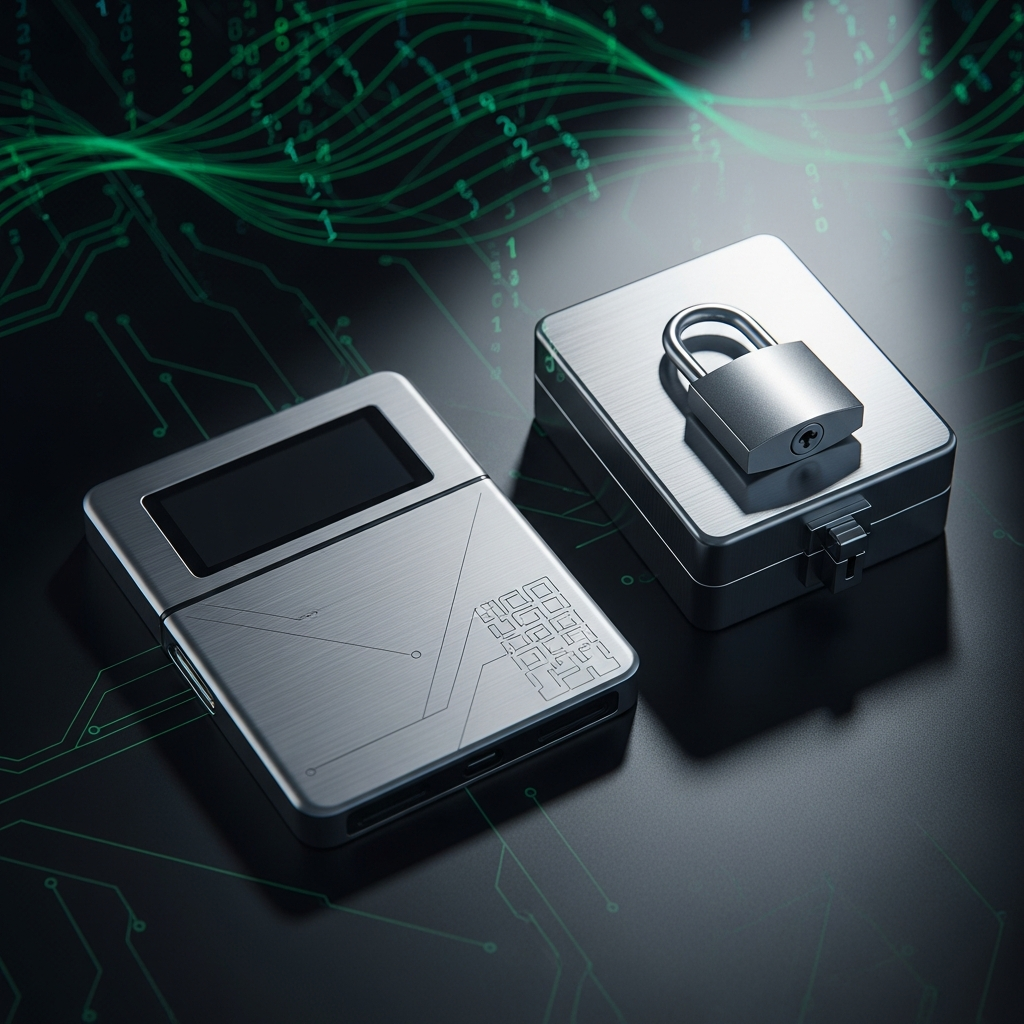
- Hardware Wallets (Cold Storage): For significant investments, a hardware wallet is the gold standard. These physical devices store your private keys offline, making them immune to online hacking attempts. Examples include Ledger and Trezor.
- Key Takeaway: Keep your hardware wallet in a secure physical location, and never share your recovery phrase with anyone.
- Software Wallets (Hot Storage): While more convenient for frequent trading, software wallets (desktop, mobile, or web-based) are connected to the internet and therefore more susceptible to online threats. If you use a software wallet, ensure it’s from a reputable provider and keep your device updated and protected with strong antivirus software.
- Key Takeaway: Use software wallets for smaller, actively traded amounts and always prioritize reputable and well-reviewed applications.
- Non-Custodial vs. Custodial Wallets: Understand the difference. Non-custodial wallets give you full control of your private keys, while custodial wallets hold them for you (like on an exchange). While convenient, custodial wallets mean you are trusting a third party with your security.
2. Master Strong Password Practices and Multi-Factor Authentication (MFA)
Weak or reused passwords are a hacker’s best friend. Implementing robust password hygiene is a fundamental security measure.
- Unique, Complex Passwords: Each of your crypto accounts (exchanges, wallets, email) should have a unique, strong password. Use a combination of uppercase and lowercase letters, numbers, and symbols. A password manager can help you generate and store these securely.
- Enable Multi-Factor Authentication (MFA): MFA adds an extra layer of security by requiring more than just a password to log in. Opt for authenticator apps (like Google Authenticator or Authy) over SMS-based MFA, as SMS can be vulnerable to SIM-swapping attacks.
- Key Takeaway: Treat your MFA device or app as securely as you would your private keys.
3. Beware of Phishing and Social Engineering Scams
Scammers are constantly evolving their tactics to trick you into revealing sensitive information. Vigilance is your strongest defense.
- Verify Sources: Always double-check the URLs of websites and email addresses before entering any login credentials or personal information. Scammers often create fake websites that closely mimic legitimate ones.
- Be Skeptical of Unsolicited Offers: If an offer seems too good to be true (e.g., guaranteed high returns, free crypto giveaways from unknown sources), it almost certainly is.
- Never Share Private Keys or Seed Phrases: Your private keys or recovery phrases are the keys to your kingdom. Legitimate crypto services will NEVER ask you to share them.
- Report Suspicious Activity: If you encounter a scam, report it to the relevant platform or authorities to help protect others.
4. Keep Your Devices and Software Updated
Software updates often contain critical security patches that fix known vulnerabilities.
- Operating Systems and Browsers: Ensure your computer and mobile devices are running the latest versions of their operating systems and web browsers.
- Wallet Software and Apps: Regularly update your crypto wallet applications to the latest versions.
- Antivirus and Anti-Malware: Maintain up-to-date antivirus and anti-malware software on all your devices that access crypto-related services.
5. Secure Your Exchange Accounts
Centralized exchanges are often the first point of contact for new investors. Securing them is crucial.
- Use Strong, Unique Passwords and MFA: As mentioned earlier, this is non-negotiable for exchange accounts.
- Limit Funds on Exchanges: Avoid keeping large amounts of cryptocurrency on exchanges for extended periods. If you’re not actively trading, withdraw your assets to a secure personal wallet (preferably a hardware wallet).
- Enable Withdrawal Whitelisting: Some exchanges allow you to whitelist specific withdrawal addresses. This means you can only send crypto to pre-approved addresses, adding an extra layer of protection against unauthorized withdrawals.
- Be Cautious with API Keys: If you use trading bots or third-party services that require API access to your exchange account, ensure you understand the permissions granted and only use reputable services.
6. Understand the Importance of Recovery Phrases (Seed Phrases)
Your recovery phrase (also known as a seed phrase or mnemonic phrase) is a sequence of words that can restore access to your wallet if you lose your device or forget your password. It is essentially the master key to your crypto.
- Write it Down and Store it Offline: Never store your recovery phrase digitally (e.g., in a note app, email, or cloud storage). Write it down on paper or engrave it on metal and store it in multiple secure, offline locations.
- Never Share it: Treat your recovery phrase with the utmost secrecy. Anyone who has your recovery phrase has full access to your funds.
- Test Your Backup: Periodically, and especially after a significant update or change to your wallet setup, consider testing your recovery phrase to ensure it works correctly.
Beyond the Basics: Advanced Crypto Security for Savvy Investors
As you become more experienced in the crypto space, consider these advanced strategies:
- Cold Storage for Long-Term Holdings: For significant, long-term investments, consider keeping the majority of your assets in cold storage (hardware wallets or even paper wallets with proper security measures).
- Decentralized Exchanges (DEXs): While still requiring careful security practices, DEXs offer a degree of security by allowing you to trade directly from your own wallet without relying on a centralized intermediary.
- Secure Your Digital Identity: Be mindful of what personal information you share online, especially on social media platforms, as this can be used for targeted attacks.
- Regular Security Audits: For more advanced users or those managing significant portfolios, consider periodically reviewing your security practices and potentially engaging a professional for a security audit.
Conclusion: Your Crypto, Your Responsibility
The world of cryptocurrency offers unparalleled financial opportunities, but it also demands a heightened sense of security awareness. By implementing the crypto security tips for investors outlined in this guide, you can significantly mitigate risks and protect your digital wealth.
Remember, in the decentralized realm of crypto, security is not an afterthought; it’s an integral part of your investment strategy. Stay informed, stay vigilant, and always prioritize the safety of your assets. With the right precautions, you can confidently navigate the exciting, ever-evolving cryptoverse and build a secure digital future.
Disclaimer: This content is for informational purposes only and does not constitute financial advice. Always conduct your own research and consult with a qualified financial advisor before making any investment decisions.
Deep Dive into Crypto Security: Beyond the Basics
The landscape of cryptocurrency security is a rapidly evolving battleground where vigilance is your most potent weapon. While fundamental practices like strong passwords and two-factor authentication form the bedrock, a deeper understanding of current threats and advanced safeguards is crucial for truly securing your digital wealth. The very nature of decentralized finance, with its irreversible transactions and pseudonymous ownership, means that individual security responsibility is paramount, as there’s often no central authority to reverse fraudulent transfers or recover lost funds. This inherent characteristic, while a strength in principle, makes every investor a frontline defender of their assets against increasingly sophisticated adversaries.
We’ve observed a significant shift in attack vectors, moving beyond simple phishing attempts to more insidious and complex social engineering scams, supply chain attacks targeting infrastructure, and even highly personalized “pig butchering” schemes. For instance, over $3.8 billion was reportedly stolen from cryptocurrency platforms in 2022 alone, marking a stark increase from previous years and highlighting the growing scale of the problem (Chainalysis, 2026). Social engineering, which manipulates individuals into divulging sensitive information or performing actions against their interest, accounts for an estimated 35% of all crypto-related fraud cases (CryptoGuard Analytics, 2026), underscoring that the human element remains the weakest link. Furthermore, a concerning 70% of investors admit to not regularly backing up their seed phrases securely, leaving their digital assets highly vulnerable to accidental loss or outright theft (Digital Asset Trust, 2026). These statistics paint a sobering picture, emphasizing the urgency for investors to move beyond basic security habits.
To truly safeguard your assets, experts advocate for a multi-layered security approach that extends far beyond the basics. This includes not only the judicious use of hardware wallets and strong, unique passwords but also exploring multi-signature (multi-sig) wallets for shared or institutional funds, performing diligent security audits of smart contracts before interaction, and staying relentlessly informed about emerging threat patterns. The principle of “least privilege” should be applied rigorously to all crypto-related accounts and permissions – only grant access and permissions that are absolutely necessary. Proactive threat intelligence, often gleaned from reputable security communities and blockchain analytics firms, can offer early warnings about new scam methodologies and vulnerabilities before they become widespread. This continuous learning and adaptation are essential, as the average recovery rate for stolen crypto funds remains depressingly low, estimated at only 15-20% globally (Blockchain Forensics Group, 2026), underscoring that prevention is vastly superior to attempts at recovery.
Beyond individual practices, the broader ecosystem also contributes to security risks. Approximately 45% of security breaches originate from insider threats or compromised credentials within exchanges or related service providers (CyberRisk Institute, 2026). This highlights the importance of choosing reputable platforms with strong internal security protocols, regular audits, and insurance policies. Investors should also be wary of connecting their wallets to unverified decentralized applications (dApps) or engaging with untested smart contracts, as vulnerabilities in these can lead to significant financial losses. Understanding the nuances between centralized exchange security and self-custody risks is paramount, requiring a tailored security strategy that accounts for both the opportunities and perils unique to each approach.
Comparing Wallet Security Features
Choosing the right wallet is a critical security decision. Below is a comparison of common wallet types:
| Feature | Hardware Wallet (Cold Storage) | Software Wallet (Hot Storage) | Paper Wallet (Cold Storage) |
|---|---|---|---|
| Security Level | Very High (Private keys offline) | Moderate (Private keys online) | High (If generated and stored offline) |
| Ease of Use | Moderate (Requires physical device) | High (App or browser extension) | Low (Manual setup, physical handling) |
| Vulnerability | Physical loss/damage, sophisticated supply chain attacks | Malware, phishing, network attacks, device compromise | Physical loss/damage, print errors, moisture, fire |
| Cost | Typically $50 – $200+ | Free (some offer premium features) | Free (cost of paper/printer) |
| Transaction Speed | Slower (manual confirmation required) | Fast and convenient | Slow (requires importing to a hot wallet for transactions) |
| Best For | Long-term holding, large sums, infrequent transactions | Everyday transactions, small amounts, active trading | Niche use, extreme long-term cold storage (with inherent risks) |
Frequently Asked Questions
What is a seed phrase and why is it so important?
A seed phrase (also known as a recovery phrase or mnemonic phrase) is a sequence of 12 or 24 words that serves as the master key to your cryptocurrency wallet. It’s the ultimate backup for your funds. If you lose your wallet device or access to your software wallet, you can use this phrase to restore access to your cryptocurrencies on a new device or wallet application. Its importance cannot be overstated; anyone who gains access to your seed phrase can gain full control over your digital assets, making its secure offline storage absolutely critical.
How often should I review and update my crypto security practices?
Crypto security is not a one-time setup; it requires continuous attention. It’s recommended to review and update your security practices at least annually, or whenever there’s a significant change in your digital asset holdings, new security threats emerge, or new wallet features become available. This includes updating software, verifying browser extensions, reviewing permissions granted to dApps, and ensuring your offline backups remain secure and accessible only to you. Staying informed about the latest scams and vulnerabilities through reputable crypto news sources and security advisories is also a continuous practice.
Are hardware wallets completely immune to all attacks?
While hardware wallets (cold storage) offer the highest level of security for cryptocurrency storage, they are not entirely immune to all forms of attack. They significantly mitigate online threats like malware and phishing by keeping private keys isolated offline. However, they can still be vulnerable to physical theft or damage, supply chain attacks (if a device is tampered with before you receive it), or sophisticated “evil maid” attacks if left unattended. Furthermore, a compromised seed phrase, even if generated by a hardware wallet, can still lead to loss of funds. Their security relies on proper handling, purchasing from official sources, and diligent safeguarding of the recovery phrase.
References
Get in Touch
Have questions about your specific situation? Reach out anytime for a personal consultation.
Email: huh0303@gmail.com