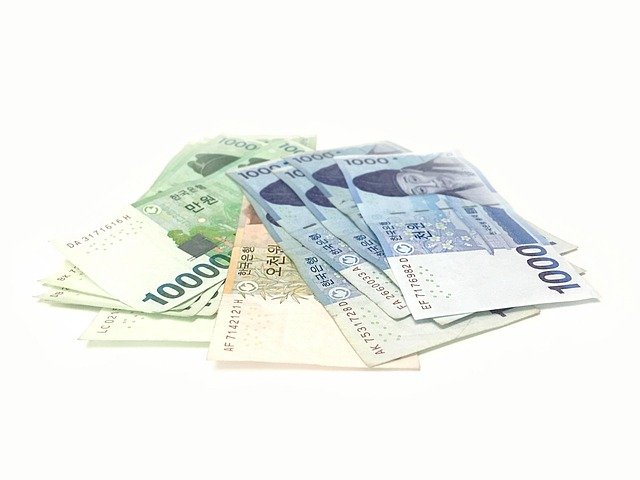
Understanding Korea Crypto Savings Account Interest: Beyond the Hype
Korea crypto savings account interest offers an intriguing pathway for digital asset holders to generate passive income. In a rapidly evolving financial landscape, the allure of high yields often captures attention, promising significant returns on idle cryptocurrency holdings. However, delving into the specifics of these opportunities reveals a complex interplay of market dynamics, regulatory frameworks, and platform-specific conditions that demand careful consideration. This guide aims to demystify the process, offering a comprehensive look at what investors can truly expect from their crypto savings endeavors in South Korea.
The Allure of High Yields in the Digital Age
The concept of earning interest on cryptocurrencies mirrors traditional savings accounts but with potentially amplified returns, driven by the innovative mechanisms of blockchain technology. Investors are drawn to the promise of compounding wealth in a relatively nascent asset class. Platforms offering these services leverage various strategies, including lending, staking, and providing liquidity to decentralized finance (DeFi) protocols, to generate yield that is then passed on to the users. Understanding the underlying mechanics is crucial for any investor considering placing their assets into a Korea crypto savings account interest program.
For many, the appeal lies in the potential to offset volatility or simply grow their digital wealth without actively trading. The rates advertised can sometimes far exceed those found in traditional banking, which naturally piques the interest of those seeking higher yields in the current low-interest-rate environment. However, these higher returns often come hand-in-hand with higher risks, making due diligence an absolutely critical step.
Navigating the Korean Regulatory Landscape for Korea Crypto Savings Account Interest
South Korea has established itself as a significant player in the global cryptocurrency market, yet it maintains a proactive and often stringent approach to regulating digital assets. The regulatory environment is continuously evolving, impacting how platforms operate and how users engage with services offering Korea crypto savings account interest. Key regulatory bodies, such as the Financial Services Commission (FSC) and the Financial Intelligence Unit (FIU), play pivotal roles in shaping the legal framework.
Under specific amendments to the Act on Reporting and Using Specified Financial Transaction Information, virtual asset service providers (VASPs) are required to register with the FIU and comply with strict anti-money laundering (AML) and know-your-customer (KYC) regulations. This means that platforms offering crypto savings accounts must adhere to rigorous standards, providing a layer of protection for investors, albeit at the cost of some anonymity and often requiring more extensive personal information. For instance, as of late 2023, only officially registered exchanges are permitted to offer a comprehensive range of crypto services to Korean residents.
How Korea Crypto Savings Account Interest Works: Mechanisms and Factors
Earning Korea crypto savings account interest is not a one-size-fits-all process. The methods platforms employ to generate yield are diverse, each carrying its own risk profile and requiring a distinct understanding. These mechanisms are the engine behind the attractive interest rates advertised to potential investors.
Mechanisms of Earning: Staking, Lending, and DeFi
- Staking: For cryptocurrencies that use a Proof-of-Stake (PoS) consensus mechanism, staking involves locking up your coins to support the network’s operations. In return for securing the blockchain and validating transactions, you receive rewards in the form of new coins, which translates into interest. The amount of interest can vary significantly depending on the specific blockchain, the total amount staked, and network conditions.
- Lending: Many platforms facilitate peer-to-peer or institutional lending of cryptocurrencies. Your assets are lent out to borrowers, often for purposes like margin trading or short selling, and you earn interest on these loans. Platforms act as intermediaries, managing the lending process and often providing collateralization requirements to mitigate risk.
- Decentralized Finance (DeFi) Protocols: DeFi offers a more autonomous way to earn interest through liquidity providing, yield farming, and various lending protocols on decentralized exchanges. Users deposit their crypto into liquidity pools, enabling trading pairs, or lend assets directly through smart contracts. While potentially offering higher yields, DeFi often involves greater complexity and smart contract risks.
Each of these methods contributes to the overall landscape of Korea crypto savings account interest opportunities, providing different avenues for investors to put their digital assets to work. The choice of mechanism largely depends on an individual’s risk tolerance and familiarity with blockchain technology.
Key Factors Influencing Interest Rates
The interest rates offered on Korea crypto savings account interest are not static; they fluctuate based on a multitude of factors, making it essential for investors to stay informed. Understanding these dynamics can help in making more strategic investment decisions.
Firstly, market demand for borrowing specific cryptocurrencies significantly impacts lending rates. If a particular asset is in high demand for shorting or leveraging, its lending rate will likely increase. Secondly, the overall crypto market volatility plays a role; during periods of high volatility, interest rates might be adjusted to reflect increased risk. Lastly, the platform’s specific business model and risk management strategies also influence the rates they can sustainably offer. Some platforms might offer higher rates for longer lock-up periods, incentivizing users to commit their assets for extended durations.
Top Platforms Offering Korea Crypto Savings Account Interest
When seeking a viable Korea crypto savings account interest opportunity, choosing the right platform is paramount. The market features a mix of centralized exchanges and decentralized protocols, each with distinct advantages and disadvantages.
Centralized Exchanges (CEXs) vs. Decentralized Finance (DeFi)
Centralized Exchanges (CEXs): These platforms, like Upbit or Bithumb (though direct interest products on major Korean CEXs are limited due to regulations, they often partner or integrate with global services), offer user-friendly interfaces, robust customer support, and often higher security against external hacks. They typically handle all the complexities of staking or lending on your behalf. For users in South Korea, these exchanges are subject to the aforementioned strict regulatory oversight, providing a sense of security and compliance. However, they act as custodians of your assets, meaning you don’t hold the private keys.
Decentralized Finance (DeFi): DeFi protocols, such as Aave or Compound, operate on blockchain networks without intermediaries. They offer direct peer-to-peer lending and liquidity provision through smart contracts. DeFi often boasts higher interest rates and greater transparency, as all transactions are recorded on a public ledger. The main drawback is the increased technical complexity and the inherent risks associated with smart contracts, including potential bugs or exploits. Furthermore, regulatory clarity for Korean users interacting directly with global DeFi protocols is still evolving.
Important Considerations for Platform Selection
Selecting a platform for your Korea crypto savings account interest requires a thorough evaluation. Beyond the advertised interest rates, several factors should influence your decision:
- Security: Assess the platform’s security measures, including insurance funds, cold storage practices, and audit reports.
- Reputation and Track Record: Research the platform’s history, user reviews, and any past incidents. A long-standing record of reliability is often a good indicator.
- Fees: Understand any associated fees for deposits, withdrawals, or interest payouts, as these can impact your net returns.
- Liquidity and Withdrawal Policies: Check how easily you can access your funds. Some savings products might have lock-up periods, limiting immediate withdrawals.
- Supported Cryptocurrencies: Ensure the platform supports the specific digital assets you wish to put into a savings account.
Comparison of Potential Korea Crypto Savings Account Interest Offerings (Illustrative)
Below is an illustrative table comparing hypothetical interest offerings, keeping in mind that specific platforms and rates fluctuate constantly and Korean regulations may limit direct access to some global platforms or specific products.
| Platform Type | Asset Type | Illustrative APR Range (P.A.) | Lock-up Period | Risk Level | Key Feature |
| Centralized Exchange (e.g., Global partner with Korean KYC) | Stablecoins (USDT, USDC) | 5% – 12% | Flexible/Fixed (7-90 days) | Medium | Regulatory compliance, user-friendly |
| Centralized Exchange (e.g., Global partner with Korean KYC) | Major Cryptos (BTC, ETH) | 1% – 6% | Flexible/Fixed (14-180 days) | Medium-High | Ease of access, integrated services |
| Decentralized Finance (DeFi) Protocol | Stablecoins (DAI, USDT) | 8% – 20% | Flexible | High | Higher potential yield, transparency |
| Decentralized Finance (DeFi) Protocol | Altcoins (Various) | 10% – 100%+ (Variable) | Flexible | Very High | Active participation, smart contract risk |
Note: These figures are illustrative and subject to change based on market conditions, platform policies, and specific asset demand. Investors should always verify current rates and terms directly with the chosen platform. Direct access to all global DeFi protocols or CEX services may be limited for Korean residents due to local regulations.
Risks and Rewards: A Balanced Perspective on Korea Crypto Savings Account Interest
While the potential for attractive returns on Korea crypto savings account interest is undeniable, it’s crucial to approach these opportunities with a balanced understanding of the inherent risks. High returns often correlate with higher risk, and the crypto space is no exception.
Volatility and Impermanent Loss Explained
Cryptocurrency markets are known for their extreme volatility. Even when earning interest, the principal value of your crypto can fluctuate dramatically. A 10% annual interest rate might seem appealing, but if the underlying asset drops by 20% in a month, your net position will still be negative. This market risk is paramount.
Another specific risk, particularly relevant to liquidity providing in DeFi, is “impermanent loss.” This occurs when the price of your deposited assets changes relative to when you deposited them in a liquidity pool. While you still earn fees, the value of your assets withdrawn from the pool might be less than if you had simply held them without providing liquidity. Understanding this nuance is vital for those engaging with DeFi-based Korea crypto savings account interest strategies.
Regulatory Compliance and Investor Protection
South Korea’s robust regulatory efforts, including the ‘Travel Rule’ implementation, aim to enhance investor protection and combat illicit activities. However, not all platforms or protocols offer the same level of consumer safeguards. Funds deposited into unregulated platforms, especially offshore ones without local licensing, may not be protected by any consumer protection schemes. The Financial Supervisory Service (FSS) in South Korea consistently warns investors about unregistered platforms and the risks associated with them.
It’s crucial to differentiate between regulated local exchanges and offshore entities or decentralized protocols that fall outside the direct purview of Korean financial authorities. While local regulations enhance the safety of using Korean-registered exchanges for basic trading, earning Korea crypto savings account interest often involves engaging with global platforms or DeFi, which might carry different regulatory implications and risk profiles for Korean citizens.
Essential Due Diligence Steps Before Investing
Before committing your capital to any Korea crypto savings account interest program, perform thorough due diligence:
- Research the Platform: Verify its regulatory status, security audits, and user reviews. Look for any history of security breaches or operational issues.
- Understand the Terms: Clearly comprehend the interest rate calculation, lock-up periods, withdrawal fees, and any other terms and conditions.
- Assess Asset Risk: Evaluate the volatility and liquidity of the specific cryptocurrency you plan to deposit. Consider diversification.
- Review Smart Contract Audits (for DeFi): If using DeFi, check if the smart contracts have been audited by reputable third-party security firms.
Maximizing Your Korea Crypto Savings Account Interest Potential
Once you understand the mechanisms and risks, you can focus on strategies to optimize your earnings from Korea crypto savings account interest. Strategic planning can significantly enhance your returns while managing potential downsides.
Strategies for Optimal Yield Generation
Maximizing your Korea crypto savings account interest involves more than just picking the highest advertised rate. One effective strategy is diversification across different assets and platforms to spread risk. Don’t put all your capital into one savings product or cryptocurrency. Another strategy involves dynamic yield optimization, where you periodically review and adjust your positions to platforms offering better rates for the same level of risk. This might involve moving stablecoins between different lending protocols to capture the highest stable APR.
For more advanced users, exploring layered strategies like combining staking rewards with borrowing against those staked assets (while carefully managing liquidation risks) can potentially amplify returns. However, these complex methods inherently carry higher risks and require a deeper understanding of market mechanics and risk management.
The Impact of Taxation on Your Crypto Earnings
A critical, often overlooked aspect of earning Korea crypto savings account interest is taxation. As of January 1, 2025, South Korea will begin imposing a capital gains tax on profits from virtual assets. Any annual crypto earnings exceeding 2.5 million KRW will be subject to a 20% capital gains tax, plus an additional 2% local income tax, totaling 22%. This applies to profits derived from staking, lending, and other yield-generating activities. Investors must maintain meticulous records of their crypto transactions, including initial cost basis, interest earned, and withdrawal dates, to accurately calculate their tax liabilities. Failing to account for taxes can significantly diminish your net returns, making it imperative to factor this into your financial planning.
Advanced Tips for Experienced Investors
- Utilize Auto-Compounders: Some platforms or protocols offer auto-compounding features, automatically reinvesting your earned interest to generate even greater returns over time.
- Monitor Gas Fees: Especially in DeFi, high network (gas) fees can eat into profits, particularly for smaller amounts or frequent rebalancing. Factor these costs into your net yield calculations.
- Stay Updated on Market News: Regulatory changes, protocol updates, or major market events can drastically impact interest rates and the safety of your funds. Continuous learning is key.
- Consider Impermanent Loss Calculators: If engaging in liquidity providing, use tools to estimate potential impermanent loss and understand its impact on your overall returns.
The Future of Korea Crypto Savings Account Interest
The landscape for Korea crypto savings account interest is far from static. It’s a dynamic environment shaped by technological advancements, market sentiment, and most importantly, evolving regulatory frameworks. Staying ahead requires foresight and adaptability.
Evolving Regulations and Market Trends
South Korea’s commitment to creating a safer and more transparent digital asset market suggests continued regulatory evolution. Future regulations may further define how interest-bearing crypto products are classified and offered, potentially leading to increased scrutiny or even new licensing requirements for such services. Globally, there’s a trend towards greater institutional adoption of crypto, which could lead to more structured and potentially lower-risk opportunities for earning Korea crypto savings account interest, perhaps through regulated financial institutions offering crypto-backed products.
Market trends, such as the increasing popularity of certain blockchain networks or the development of new DeFi primitives, will also influence where the best yield opportunities arise. For example, the shift towards more energy-efficient PoS chains might increase staking yields on those specific networks, making them more attractive for passive income generation.
What to Expect in the Coming Years
In the next few years, we can anticipate a maturing of the Korea crypto savings account interest market. This may include more mainstream financial institutions offering compliant crypto savings products, reducing the entry barrier for traditional investors. Technological improvements, such as Layer-2 solutions and cross-chain interoperability, will likely make DeFi more accessible and efficient, potentially opening up new avenues for yield generation with lower transaction costs. However, increased institutionalization and regulation might also lead to a standardization of interest rates, potentially reducing some of the extremely high yields seen in the more nascent phases of the market.
Emerging Opportunities for Korea Crypto Savings Account Interest
- Institutional DeFi: The rise of “permissioned” or institutional DeFi platforms could provide regulated and secure avenues for larger entities to engage in yield generation, potentially impacting overall market rates.
- Real-World Assets (RWAs) in DeFi: Tokenizing real-world assets and integrating them into DeFi protocols could create new and diversified sources of yield, linking the traditional financial world with decentralized finance.
- Yield Aggregators and Optimizers: More sophisticated tools will emerge to automatically find and allocate funds to the highest-yielding opportunities across various protocols, simplifying the process for investors.
For investors in South Korea, navigating this future will require continuous education and a proactive approach to understanding both the opportunities and the ever-changing regulatory landscape. The promise of Korea crypto savings account interest remains strong, but only for those who are well-informed and prepared for the journey.
🔗 Korea crypto savings account interest 연관 인기 가이드
- ✨ Korea crypto savings account interest Extensive Industry Report
- ✨ Korea crypto savings account interest Extensive Industry Report
- ✨ Korea crypto savings account interest Extensive Industry Report
- ✨ Korea crypto savings account interest Extensive Industry Report
- ✨ Korea crypto savings account interest Extensive Industry Report
- ✨ Korea crypto savings account interest Extensive Industry Report
📚 References & Official Sources
❓ Frequently Asked Questions
Is Korea crypto savings account interest legal?
Yes, earning interest on crypto is generally legal in South Korea, but specific regulations apply to platforms and taxation.
What are typical interest rates for crypto savings in Korea?
Rates vary widely, from 2-3% APR for stablecoins to potentially much higher for volatile assets, depending on the platform and strategy.
How is Korea crypto savings account interest taxed?
As of 2025, crypto earnings exceeding 2.5 million KRW are subject to a 20% capital gains tax plus a 2% local income tax.
Get in Touch
Have questions about your specific situation? Reach out anytime for a personal consultation.
Email: huh0303@gmail.com