
Category: 건강정보

  • 갑자기 체중이 줄어든다면 의심해야 할 병

    갑자기 체중이 줄어든다면 의심해야 할 병

    Experiencing a sudden and significant drop in body weight without any intentional dietary changes or increases in physical activity can be a profoundly unsettling experience. This phenomenon, medically termed unintentional weight loss, often signals an underlying health issue that demands prompt attention. While minor fluctuations in weight are normal, a loss exceeding 5% of your body weight within a 6- to 12-month period is generally considered clinically significant and warrants a thorough medical evaluation. Such a dramatic shift can be the body’s subtle yet urgent signal that something is amiss, potentially indicating a range of conditions from metabolic disturbances to more serious systemic illnesses. Understanding the potential causes is the first step toward seeking appropriate medical advice and securing a timely diagnosis and treatment plan. This article delves into the various medical conditions that could manifest as sudden weight loss, providing comprehensive insights to empower you with knowledge and encourage proactive healthcare engagement.

    Understanding Unexplained Weight Loss: The Critical First Steps

    Unexplained weight loss is not merely a cosmetic concern; it is a critical symptom that healthcare professionals take very seriously. When the body begins to shed pounds without a clear reason, it suggests that its normal metabolic processes are being disrupted, or that there is an increased demand for energy that isn’t being met through typical intake. The initial assessment typically involves a detailed medical history, including any changes in appetite, dietary habits, energy levels, and the presence of other accompanying symptoms. This information is crucial for guiding further diagnostic investigations and narrowing down the potential causes.

    Defining Significant Weight Loss and When to Seek Help

    Defining what constitutes “significant” weight loss is essential for patients and clinicians alike. Generally, a loss of more than 5% of your baseline body weight over a period of 6 to 12 months is considered medically significant. For an individual weighing 150 pounds, this would translate to a loss of 7.5 pounds or more. However, even a smaller, rapid weight loss might be concerning if it’s accompanied by other symptoms such as fatigue, fever, changes in bowel habits, or persistent pain. Prompt medical consultation is always advisable when you observe such changes, as early diagnosis can significantly improve treatment outcomes for many underlying conditions.

    1 1

    Ignoring unexplained weight loss can lead to delays in identifying and treating serious health issues, potentially allowing conditions to progress to more advanced stages. A primary care physician is the ideal starting point for evaluation, as they can conduct initial screenings, order basic laboratory tests, and provide referrals to specialists if necessary. The goal is to identify the root cause systematically, ensuring no critical signs are overlooked. This proactive approach to health management underscores the importance of listening to your body’s signals and acting upon them responsibly.

    The Diagnostic Journey: Initial Assessments and Tests

    The diagnostic process for unexplained weight loss is often comprehensive, beginning with a thorough physical examination and a detailed review of your medical history, including any current medications. Blood tests are typically among the first steps, as they can reveal a wealth of information about your overall health. These might include a complete blood count (CBC) to check for anemia or infection, metabolic panels to assess kidney and liver function, thyroid stimulating hormone (TSH) levels to evaluate thyroid health, and tests for inflammation markers. Urinalysis can also provide insights into kidney function and potential infections.

    Depending on the initial findings and your specific symptoms, your doctor might recommend more specialized tests. These could range from imaging studies such as X-rays, CT scans, or MRIs to visualize internal organs and detect abnormalities, to endoscopic procedures like colonoscopies or endoscopies to examine the digestive tract. Further investigations might involve specific hormone tests, tests for autoimmune markers, or even biopsies if a mass or suspicious tissue is identified. This systematic approach ensures that all potential avenues are explored to arrive at an accurate diagnosis, thereby paving the way for effective treatment strategies.

    2 1

    [Image Prompt: A concerned individual weighing themselves on a scale, looking at the number with a worried expression, in a modern, clean bathroom setting.]

    Gastrointestinal Disorders: When Digestion Goes Awry

    The digestive system plays a pivotal role in nutrient absorption and overall health, making it a common culprit behind unintentional weight loss. When conditions affect the gut’s ability to process food efficiently, the body can struggle to extract the necessary calories and nutrients, leading to a caloric deficit and subsequent weight reduction. Identifying these specific gastrointestinal issues is crucial for restoring proper digestive function and preventing further health complications.

    Inflammatory Bowel Disease (IBD): Crohn’s and Ulcerative Colitis

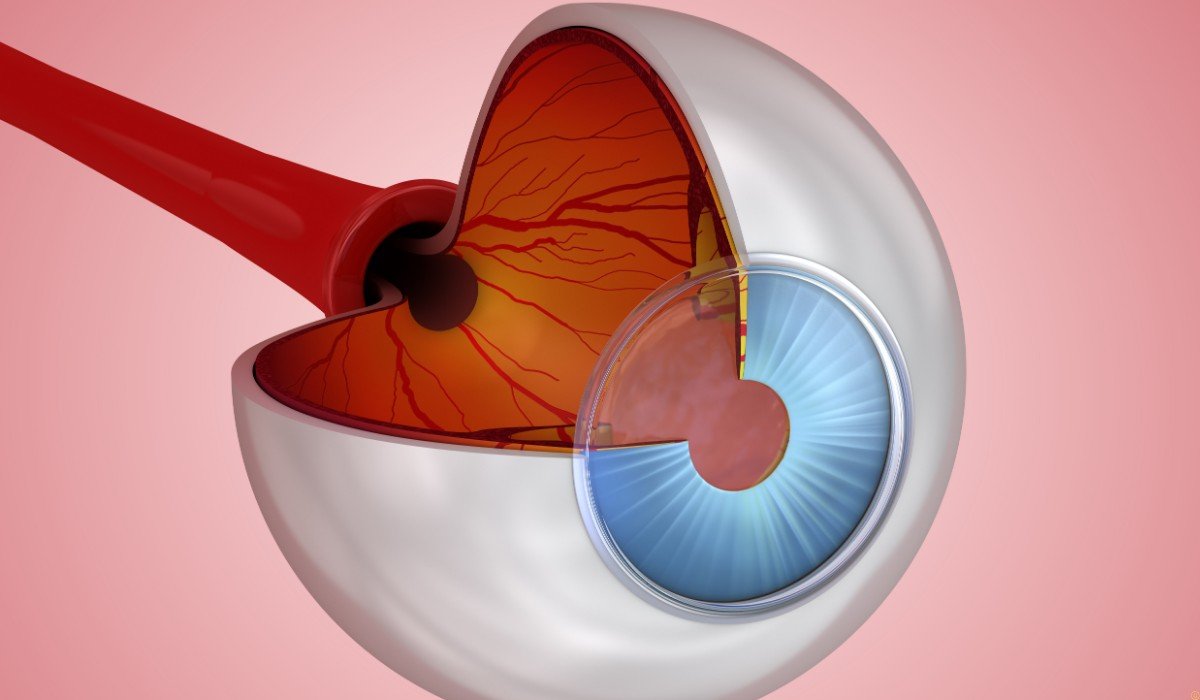
    Inflammatory Bowel Disease (IBD), which encompasses Crohn’s disease and ulcerative colitis, involves chronic inflammation of the digestive tract. These conditions can significantly impair the body’s ability to absorb nutrients, leading to substantial weight loss. Crohn’s disease can affect any part of the gastrointestinal tract from the mouth to the anus, while ulcerative colitis primarily affects the large intestine and rectum. Both conditions are characterized by periods of flare-ups and remission.
    3

    During flare-ups, symptoms such as abdominal pain, severe diarrhea, fatigue, and blood in the stool are common. The chronic inflammation not only reduces nutrient absorption but also increases the body’s energy expenditure, exacerbating weight loss. A 2023 review in the Journal of Gastroenterology indicated that up to 60% of IBD patients experience significant weight loss at some point, particularly during active disease phases. Effective management often involves anti-inflammatory medications, immunosuppressants, and sometimes surgery, alongside nutritional support to combat malabsorption and restore weight.

    Celiac Disease and Malabsorption Syndromes

    Celiac disease is an autoimmune disorder where consuming gluten, a protein found in wheat, barley, and rye, leads to damage in the small intestine. This damage impairs the small intestine’s ability to absorb nutrients, resulting in malabsorption. Symptoms can include abdominal pain, bloating, diarrhea, fatigue, and, notably, unexplained weight loss due to the body’s inability to extract sufficient calories and essential nutrients from food. The prevalence of celiac disease is estimated to be about 1% of the global population, though many cases remain undiagnosed.

    Beyond celiac disease, various other malabsorption syndromes can cause weight loss. These conditions arise when the digestive system fails to absorb specific nutrients, such as fats, proteins, or carbohydrates. Causes can range from enzyme deficiencies, like lactose intolerance, to structural issues in the small intestine or conditions affecting the pancreas. Diagnosis typically involves blood tests, breath tests, and sometimes small intestine biopsies. Management often includes dietary modifications, enzyme supplements, and addressing the underlying cause to improve nutrient absorption and prevent further weight loss.

    4

    Pancreatic Insufficiency and Gallbladder Issues

    The pancreas plays a vital role in digestion by producing enzymes necessary for breaking down fats, proteins, and carbohydrates. Pancreatic insufficiency, a condition where the pancreas does not produce enough of these enzymes, leads to maldigestion and malabsorption. This results in undigested food passing through the digestive tract, causing symptoms such as fatty stools (steatorrhea), abdominal pain, bloating, and significant weight loss. Chronic pancreatitis, cystic fibrosis, and pancreatic cancer are common causes of pancreatic insufficiency.

    Gallbladder issues, such as gallstones or inflammation (cholecystitis), can also indirectly contribute to weight loss. The gallbladder stores and concentrates bile, which is essential for fat digestion. When bile flow is obstructed or impaired, the body struggles to digest fats, leading to malabsorption of fat-soluble vitamins and calories. While direct weight loss from gallbladder issues is less common than with pancreatic insufficiency, chronic digestive discomfort and reduced food intake due to symptoms can contribute to a caloric deficit. Treatment often involves dietary changes, enzyme replacement therapy, or surgical removal of the gallbladder in severe cases.

    ConditionPrimary Mechanism of Weight LossCommon Accompanying SymptomsPrevalence (Approx.)Diagnostic Methods
    Inflammatory Bowel Disease (IBD)Malabsorption, increased energy expenditureAbdominal pain, diarrhea, fatigue, blood in stool, fever1 in 1000Endoscopy, colonoscopy, biopsy, imaging
    Celiac DiseaseSmall intestine damage, nutrient malabsorptionAbdominal pain, bloating, diarrhea, fatigue, skin rash1% globalBlood tests (antibodies), small intestine biopsy
    Pancreatic InsufficiencyInadequate digestive enzymesFatty stools, abdominal pain, bloating, nutrient deficienciesVaries by causeStool tests (elastase), imaging, pancreatic function tests
    HyperthyroidismAccelerated metabolismRapid heart rate, tremors, anxiety, heat intolerance1.2% USBlood tests (TSH, T3, T4)
    Diabetes Mellitus (undiagnosed)Glucose loss in urine, increased metabolismIncreased thirst, frequent urination, blurred vision, fatigue10.5% USBlood glucose tests (fasting, A1C)
    CancerIncreased metabolic demand, inflammationFatigue, pain, fever, night sweats, changes in bowel habits1 in 3 lifetimeBiopsy, imaging, blood tests, endoscopy

    [Image Prompt: A doctor discussing test results with a patient, with medical charts and a laptop visible on the desk, in a modern clinic examination room.]

    5

    Endocrine System Imbalances: Hormones and Metabolism

    The endocrine system, a network of glands that produce and release hormones, is a master regulator of metabolism, energy balance, and body weight. When these delicate hormonal balances are disrupted, it can lead to significant changes in body weight, often manifesting as unexplained weight loss. Thyroid disorders and diabetes are two prominent examples where hormonal dysregulation directly impacts metabolic rate and nutrient utilization.

    Hyperthyroidism: An Overactive Thyroid

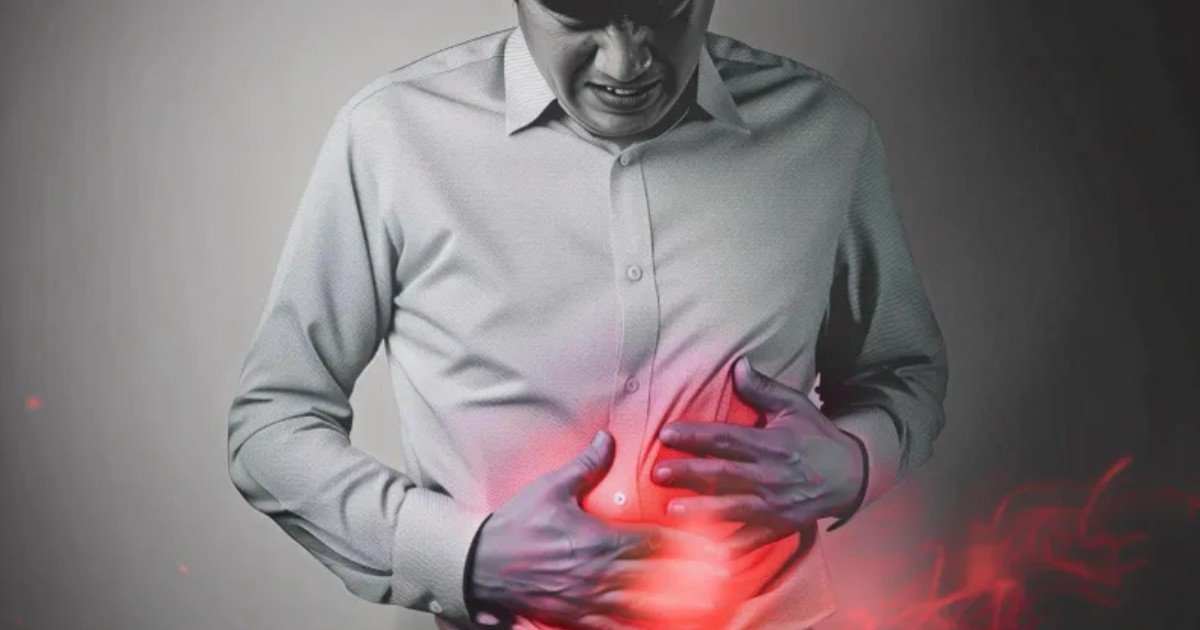
    Hyperthyroidism occurs when the thyroid gland produces an excessive amount of thyroid hormones, primarily thyroxine (T4) and triiodothyronine (T3). These hormones are crucial for regulating metabolism, and their overproduction leads to a significant acceleration of the body’s metabolic rate. This increased metabolism causes the body to burn calories at an unusually rapid pace, even at rest, resulting in unexplained weight loss despite a normal or even increased appetite. The American Thyroid Association estimates that approximately 1.2% of the U.S. population experiences hyperthyroidism.

    Beyond weight loss, hyperthyroidism presents with a range of characteristic symptoms. Individuals often experience a rapid or irregular heartbeat, tremors in the hands and fingers, anxiety, irritability, increased sensitivity to heat, excessive sweating, and difficulty sleeping. Some may also notice a swelling at the base of the neck, known as a goiter. Diagnosis typically involves blood tests to measure thyroid-stimulating hormone (TSH) levels, which will be low, and elevated T3 and T4 levels. Treatment options include antithyroid medications, radioactive iodine therapy, or, in some cases, surgery to remove part or all of the thyroid gland.
    6

    Undiagnosed or Uncontrolled Diabetes Mellitus

    Diabetes Mellitus, particularly Type 1 diabetes and uncontrolled Type 2 diabetes, can cause significant and rapid weight loss. In Type 1 diabetes, the body’s immune system mistakenly attacks and destroys the insulin-producing cells in the pancreas. Without insulin, glucose cannot enter the cells for energy, forcing the body to break down fat and muscle for fuel. This process leads to both weight loss and the accumulation of ketones, which can be dangerous. In uncontrolled Type 2 diabetes, insulin resistance prevents cells from utilizing glucose effectively, leading to similar metabolic shifts.

    The body attempts to excrete excess glucose through the urine, taking with it valuable calories and fluids, further contributing to weight loss and dehydration. Accompanying symptoms often include increased thirst (polydipsia), frequent urination (polyuria), extreme hunger (polyphagia), blurred vision, and fatigue. According to the Centers for Disease Control and Prevention (CDC), over 37 million Americans have diabetes, and a significant portion remain undiagnosed. Early diagnosis and management through diet, exercise, and medication are crucial to control blood sugar levels, prevent complications, and stabilize weight.

    Adrenal Insufficiency and Other Hormonal Disruptions

    Adrenal insufficiency, commonly known as Addison’s disease, is a rare but serious condition where the adrenal glands produce insufficient amounts of certain hormones, primarily cortisol and often aldosterone. Cortisol plays a vital role in metabolism, blood pressure regulation, and stress response. A deficiency can lead to a cascade of symptoms, including chronic fatigue, muscle weakness, abdominal pain, nausea, vomiting, and significant weight loss due to a combination of appetite loss, digestive issues, and metabolic disturbances. The National Institute of Diabetes and Digestive and Kidney Diseases notes that Addison’s disease affects about 1 in 100,000 people.

    7

    Other hormonal disruptions can also lead to weight changes. For instance, imbalances in sex hormones, though less commonly associated with dramatic weight loss than thyroid or adrenal issues, can influence metabolism and appetite over time. Pituitary gland disorders can affect the production of multiple hormones, leading to a complex array of symptoms including weight fluctuations. Diagnosing these conditions typically involves specialized blood tests to measure specific hormone levels. Treatment focuses on hormone replacement therapy to restore balance and alleviate symptoms, including stabilizing body weight.

    [Image Prompt: A doctor explaining a complex medical diagram of the endocrine system to a patient, emphasizing the thyroid gland and pancreas, in a well-lit consultation room.]

    Malignancies: The Silent Threat

    Perhaps one of the most concerning causes of unexplained weight loss is malignancy, or cancer. While not all cancers cause weight loss, it is a common symptom, particularly in advanced stages or with certain types of tumors. The mechanisms behind cancer-related weight loss are complex and multifaceted, involving increased metabolic demands, inflammation, and changes in appetite and digestion.

    8

    Cancer Cachexia: The Metabolic Demands of Tumors

    Cancer-related weight loss, often referred to as cachexia, is a complex metabolic syndrome characterized by progressive weight loss, muscle wasting, and fatigue. It is not simply a matter of reduced food intake but involves profound metabolic alterations induced by the tumor itself and the body’s inflammatory response to it. Cancer cells can consume a large amount of energy, effectively “stealing” nutrients from healthy tissues. Furthermore, tumors can release substances that alter metabolism, leading to increased breakdown of fats and proteins and reduced synthesis of new tissues.

    This metabolic shift makes it incredibly difficult for patients to maintain weight, even with adequate caloric intake. Cachexia is particularly common in cancers of the gastrointestinal tract, lung, pancreas, and advanced solid tumors, affecting up to 80% of patients with advanced cancer. According to a 2022 report from the National Cancer Institute, cancer cachexia significantly impacts quality of life and treatment efficacy, contributing to increased morbidity and mortality. Early recognition and aggressive nutritional and metabolic support are vital components of cancer care.

    Specific Cancers Associated with Early Weight Loss

    While many cancers can cause weight loss, some types are more frequently associated with it as an early or prominent symptom. These include:

    9

    * Gastrointestinal Cancers: Esophageal, stomach, pancreatic, and colorectal cancers can directly interfere with digestion and absorption, or cause symptoms like nausea, vomiting, and early satiety, leading to reduced food intake and subsequent weight loss.

    * Lung Cancer: Often associated with cachexia, lung cancer can cause systemic inflammation and increased metabolic demands.

    * Ovarian Cancer: Can cause abdominal bloating and a feeling of fullness, leading to decreased appetite and weight loss.

    10

    * Leukemia and Lymphoma: These blood cancers can increase the body’s metabolic rate and cause fatigue, fever, and night sweats, all contributing to weight loss.

    The presence of unexplained weight loss, especially when accompanied by other symptoms such as persistent fatigue, unexplained fevers, night sweats, or new pains, should always prompt an urgent medical evaluation to rule out malignancy. A thorough diagnostic workup, which may include imaging studies, blood tests, and biopsies, is essential for an accurate and timely diagnosis.

    The Role of Inflammation and Appetite Suppression in Cancer

    Beyond the direct metabolic demands of tumors, systemic inflammation plays a significant role in cancer-related weight loss. Cancer can trigger a chronic inflammatory response throughout the body, leading to the release of cytokines and other inflammatory mediators. These substances can interfere with appetite-regulating hormones, leading to a feeling of fullness (satiety) even after consuming small amounts of food, or a general loss of interest in eating (anorexia). This inflammation also contributes to the breakdown of muscle and fat tissues.

    11

    Moreover, the psychological impact of a cancer diagnosis, coupled with the side effects of cancer treatments such such as chemotherapy and radiation, can further suppress appetite and contribute to nausea and vomiting. This combination of metabolic disruption, inflammation, and reduced caloric intake creates a challenging scenario for maintaining body weight. Addressing these factors through nutritional counseling, appetite stimulants, and managing treatment side effects is an integral part of supporting cancer patients and mitigating the severity of weight loss.

    [Image Prompt: A diverse group of people participating in a gentle exercise class, possibly yoga or tai chi, in a bright, airy community center, emphasizing health and wellness.]

    Neurological and Mental Health Conditions: Beyond the Physical

    While many causes of unexplained weight loss are physical, the intricate connection between the brain and body means that neurological and mental health conditions can also significantly impact appetite, metabolism, and overall body weight. These conditions often present with a complex interplay of physical and psychological symptoms that contribute to weight loss.

    12

    Depression and Anxiety Disorders

    Mental health conditions, particularly depression and severe anxiety disorders, are significant contributors to unexplained weight loss. Depression can profoundly affect appetite, leading to a decreased interest in food and a reduction in caloric intake. Individuals experiencing depression may also have less energy to prepare meals or may neglect self-care, including proper nutrition. A 2021 study published in JAMA Psychiatry found that significant weight changes, both gain and loss, are common in individuals with major depressive disorder, with weight loss being particularly prevalent in severe cases.

    Anxiety disorders can manifest with physical symptoms such as nausea, stomach upset, and a general feeling of unease, which can also suppress appetite. The constant state of heightened alert and stress can also increase metabolic rate, further contributing to weight loss. The body’s “fight or flight” response, when chronically activated, diverts energy away from non-essential functions like digestion. Addressing these mental health conditions through therapy, medication, and lifestyle adjustments is crucial for improving overall well-being and stabilizing body weight.

    Neurological Conditions: Parkinson’s and Dementia

    Certain neurological conditions can also lead to unintentional weight loss through various mechanisms. Parkinson’s disease, a progressive disorder of the nervous system, can cause tremors, rigidity, slow movement (bradykinesia), and impaired balance and coordination. These motor symptoms can make eating difficult, from preparing food to the physical act of bringing food to the mouth. Swallowing difficulties (dysphagia) are also common in later stages, further reducing caloric intake. Furthermore, non-motor symptoms such as loss of smell (anosmia) can diminish the pleasure of eating, and depression is often comorbid.

    13

    Dementia, including Alzheimer’s disease, can also result in significant weight loss. As cognitive function declines, individuals may forget to eat, struggle with meal preparation, or lose their ability to communicate hunger. Behavioral changes, increased restlessness, and pacing (which burns calories) can also contribute to a caloric deficit. A 2020 review in the Journal of Alzheimer’s Disease highlighted that unexplained weight loss often precedes a formal dementia diagnosis by several years. Nutritional support, modified diets, and assistance with feeding are critical interventions for managing weight loss in these populations.

    Eating Disorders: Anorexia Nervosa and Bulimia Nervosa

    While often intentional at their onset, eating disorders such as anorexia nervosa and bulimia nervosa can lead to severe and life-threatening unintentional weight loss in the long term, particularly as the body’s systems begin to fail. Anorexia nervosa is characterized by an intense fear of gaining weight and a distorted body image, leading to severe restriction of food intake. This results in profound malnutrition and dramatic weight loss. Bulimia nervosa involves cycles of binge eating followed by compensatory behaviors such as purging, excessive exercise, or fasting, which can also contribute to nutrient deficiencies and weight fluctuations, and in some cases, overall weight loss.

    These disorders are complex mental illnesses with severe physical consequences, including electrolyte imbalances, cardiac complications, bone density loss, and digestive issues. The weight loss associated with eating disorders is often extreme and carries high mortality rates if left untreated. According to the National Association of Anorexia Nervosa and Associated Disorders (ANAD), approximately 9% of the U.S. population will experience an eating disorder in their lifetime. Comprehensive treatment involves medical stabilization, nutritional rehabilitation, psychotherapy, and often psychiatric medication to address the underlying psychological issues and restore healthy eating patterns and body weight.

    14

    [Image Prompt: A person preparing a healthy, balanced meal with fresh vegetables, lean protein, and whole grains, in a modern, well-equipped kitchen.]

    Other Systemic Illnesses and Medications: A Broad Spectrum

    Beyond the more commonly recognized categories, a diverse array of other systemic illnesses and even certain medications can lead to unexplained weight loss. These conditions often involve widespread effects on the body’s systems, impacting metabolism, appetite, or nutrient absorption in less direct but equally significant ways. A thorough medical investigation is essential to uncover these less obvious causes.

    Chronic Infections: HIV/AIDS and Tuberculosis

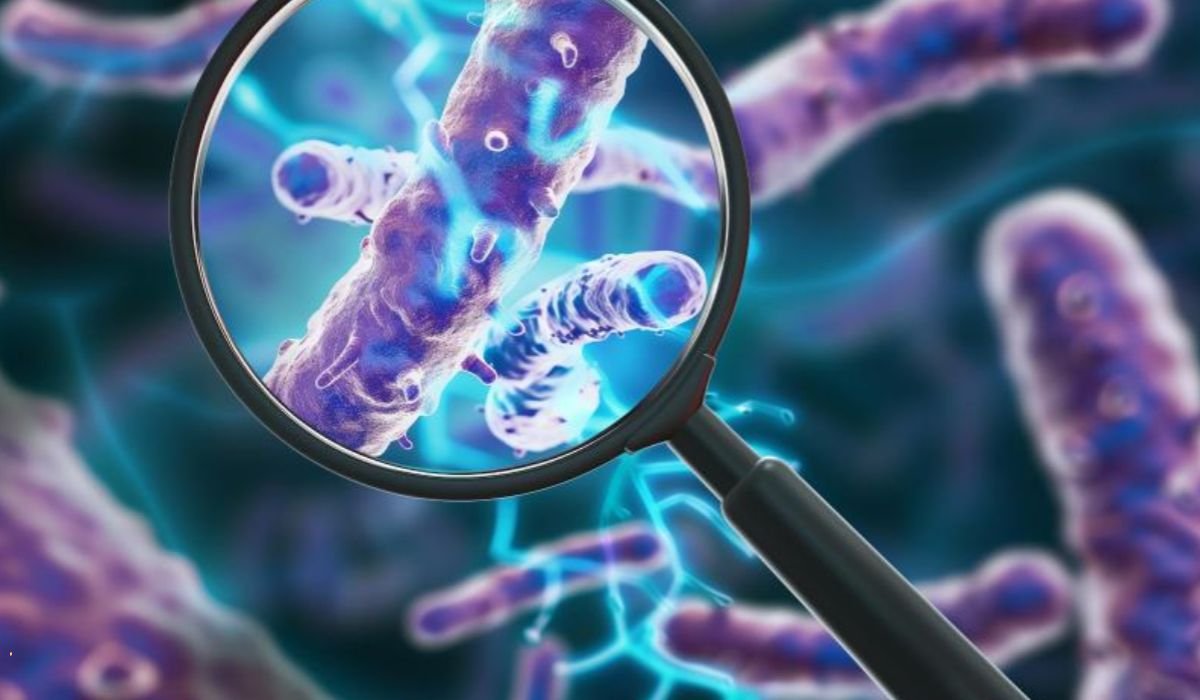
    Chronic infections can place a significant metabolic burden on the body, leading to unexplained weight loss. HIV/AIDS, for instance, can cause a condition known as AIDS wasting syndrome, characterized by profound and involuntary weight loss, particularly of muscle mass. This is due to a combination of factors: the direct effects of the virus, opportunistic infections, inflammation, reduced appetite, and malabsorption caused by gastrointestinal complications. While advancements in antiretroviral therapy (ART) have drastically reduced the incidence of AIDS wasting, it remains a concern in untreated or advanced cases.
    15

    Tuberculosis (TB), a bacterial infection primarily affecting the lungs, is another classic example of an infection causing significant weight loss, often referred to as “consumption” historically. The chronic inflammation and increased metabolic demands associated with fighting the infection, coupled with symptoms like persistent cough, fever, night sweats, and fatigue, contribute to a severe caloric deficit. A 2023 report by the World Health Organization (WHO) indicates that TB remains a leading cause of infectious disease mortality globally, with weight loss being a common feature. Effective treatment with antibiotics is crucial to resolve the infection and restore body weight.

    Autoimmune Diseases: Rheumatoid Arthritis and Lupus

    Autoimmune diseases occur when the body’s immune system mistakenly attacks its own healthy tissues. Chronic inflammation is a hallmark of many autoimmune conditions, and this persistent inflammatory state can lead to increased metabolic rate and weight loss. Rheumatoid arthritis (RA), a chronic inflammatory disorder primarily affecting the joints, can cause systemic inflammation that contributes to fatigue, muscle wasting, and weight loss. The ongoing pain and discomfort can also reduce appetite and physical activity.

    Systemic lupus erythematosus (SLE), commonly known as lupus, is another autoimmune disease that can affect multiple organ systems, including the joints, skin, kidneys, and blood cells. The chronic inflammation, fatigue, and potential organ damage associated with lupus can significantly impact metabolism and appetite, leading to unintentional weight loss. According to the Lupus Foundation of America, millions of people worldwide are affected by lupus. Management of autoimmune diseases typically involves immunosuppressants and anti-inflammatory medications to control the immune response and reduce systemic inflammation, thereby helping to stabilize body weight and improve overall health.

    16

    [Image Prompt: A group of medical professionals (doctors, nurses) collaborating around a patient’s chart and a computer screen, discussing a complex case in a hospital conference room.]

    Medication Side Effects and Substance Abuse

    Certain medications can have side effects that include appetite suppression, nausea, vomiting, or altered metabolism, leading to unintentional weight loss. Examples include:

    * Chemotherapy drugs: Known for causing severe nausea, vomiting, and mucositis (inflammation of the digestive tract lining), making eating difficult.

    17

    * Stimulants: Used to treat ADHD or narcolepsy, these can significantly suppress appetite.

    * Some antidepressants: While some cause weight gain, others, particularly certain SSRIs, can initially lead to weight loss due to appetite changes.

    * Thyroid medications: If the dosage is too high, they can induce symptoms of hyperthyroidism, including weight loss.

    18

    * Certain diabetes medications: SGLT2 inhibitors, for instance, cause glucose to be excreted in the urine, leading to calorie loss and weight reduction.

    Substance abuse, particularly chronic alcohol abuse and illicit drug use (such as methamphetamine or cocaine), can also cause severe weight loss. Alcoholism can lead to malnutrition due to poor dietary choices, impaired nutrient absorption, and damage to the liver and pancreas. Illicit drugs often suppress appetite, increase metabolic rate, and lead to neglect of basic nutritional needs, resulting in significant and dangerous weight loss. Addressing medication-related weight changes often involves dose adjustments or switching medications, while substance abuse requires comprehensive addiction treatment and nutritional rehabilitation.

    > Expert Insight: “Unexplained weight loss is rarely an isolated symptom. Always consider the constellation of accompanying signs and symptoms, however subtle, as they provide crucial clues for a precise diagnosis. A detailed medical history is often the most powerful diagnostic tool.”

    19

    Conclusion

    Unexplained weight loss is a significant health concern that demands careful attention and thorough medical investigation. As we have explored, its causes are incredibly diverse, ranging from common gastrointestinal and endocrine disorders to serious conditions such as malignancies, chronic infections, autoimmune diseases, and even mental health issues or medication side effects. The complexity of the human body means that a symptom like sudden weight loss can be the tip of an iceberg, signaling a deeper underlying physiological or psychological imbalance.

    The key takeaway is the imperative for prompt medical evaluation. Ignoring significant, unintentional weight loss can delay the diagnosis and treatment of conditions where early intervention is paramount for optimal outcomes. A proactive approach, beginning with a visit to your primary care physician, allows for a systematic diagnostic journey that can uncover the root cause and initiate appropriate management strategies. Remember, your body often communicates through subtle signals; understanding and responding to these messages is fundamental to maintaining your health and well-being. Do not hesitate to seek professional medical advice if you or someone you know experiences unexplained weight loss.

    FAQ

    Q1: How much weight loss is considered “unexplained” and worthy of concern?

    A1: Generally, a loss of more than 5% of your usual body weight over a period of 6 to 12 months, without any intentional changes to your diet or exercise routine, is considered clinically significant and unexplained. For instance, if you weigh 180 pounds, losing 9 pounds or more within this timeframe would be a cause for concern. However, if the weight loss is more rapid or accompanied by other concerning symptoms like fatigue, fever, pain, or changes in bowel habits, even a smaller amount of weight loss warrants medical attention. It is always best to consult a healthcare professional to determine if your weight loss is a sign of an underlying issue.

    20

    Q2: What are the first steps a doctor will take to investigate unexplained weight loss?

    A2: A doctor will typically start with a comprehensive medical history, asking about your diet, lifestyle, medications, and any other symptoms you might be experiencing. A thorough physical examination will follow. Initial diagnostic tests often include routine blood work, such as a complete blood count (CBC), metabolic panel, thyroid function tests (TSH), and inflammatory markers. A urinalysis might also be performed. These initial steps help to screen for common causes and guide further, more specialized investigations, which could involve imaging studies or specialist referrals.

    Q3: Can stress or anxiety cause significant weight loss?

    A3: Yes, both chronic stress and anxiety can contribute to significant weight loss. Stress and anxiety activate the body’s “fight or flight” response, which can suppress appetite, lead to digestive upset (like nausea or stomach cramps), and even increase metabolic rate in some individuals. When this state is prolonged, it can result in reduced caloric intake and increased energy expenditure, leading to unintentional weight loss. Addressing these mental health conditions through therapy, stress management techniques, and potentially medication is crucial for stabilizing weight and improving overall health.

    Q4: Are there any specific types of cancer that are more likely to cause early weight loss?

    A4: While many cancers can cause weight loss, certain types are particularly known for it, often due to their location or aggressive nature. These include cancers of the gastrointestinal tract (such as esophageal, stomach, pancreatic, and colorectal cancers), lung cancer, ovarian cancer, and blood cancers like leukemia and lymphoma. These cancers can interfere with digestion and nutrient absorption, increase metabolic demands, or cause systemic inflammation, all of which contribute to significant weight loss, sometimes even before other symptoms become apparent.

    21

    Q5: If my blood tests are normal, what could still be causing my unexplained weight loss?

    A5: Even with normal initial blood tests, several conditions could still be contributing to unexplained weight loss. The diagnostic journey might then extend to more specialized investigations. This could include advanced imaging studies (CT scans, MRIs) to visualize internal organs, endoscopic procedures (colonoscopy, endoscopy) to examine the digestive tract, or specific hormone tests. Furthermore, mental health conditions, eating disorders, or less common chronic infections might not be immediately apparent through standard blood panels. Your doctor may refer you to specialists such as a gastroenterologist, endocrinologist, or psychiatrist for a more targeted evaluation.

    Labels: Unexplained Weight Loss, Sudden Weight Loss, Medical Causes, Health Diagnosis, Metabolic Disorders, Gastrointestinal Disease, Cancer Symptoms, Endocrine Imbalance, Chronic Illness, Mental Health, Medication Side Effects

    Hashtags: #UnexplainedWeightLoss #SuddenWeightLoss #MedicalDiagnosis #HealthConcerns #WeightLossCauses #MetabolicHealth #GastrointestinalHealth #CancerAwareness #ThyroidHealth #DiabetesCare #MentalHealthMatters

    Meta Description: Discover the 12 critical causes of sudden, unexplained weight loss, from common digestive issues to serious illnesses. Learn when to seek medical help and what to expect during diagnosis.


  • 칼슘 부족이 심하면 생기는 증상

    칼슘 부족이 심하면 생기는 증상

    The human body is a marvel of intricate systems, each relying on precise chemical balances to function optimally. Among these essential elements, calcium stands as a cornerstone, vital not merely for strong bones and teeth but also for nerve transmission, muscle function, and even heart rhythm. When the body’s calcium reserves dwindle to critically low levels, a condition known as severe hypocalcemia ensues, triggering a cascade of disruptive and often debilitating symptoms. Recognizing these alarming indicators early is paramount for preventing irreversible damage and maintaining overall well-being. This guide delves deep into the profound impact of profound calcium depletion, offering insights into its diverse manifestations and the urgent need for intervention.

    The Silent Epidemic: Understanding Severe Calcium Depletion

    Calcium deficiency, particularly when it becomes severe, represents a significant public health challenge globally. While mild deficiencies might present subtly, severe hypocalcemia can profoundly disrupt nearly every major bodily system, leading to a spectrum of critical health issues. This advanced state often develops over time due to inadequate dietary intake, poor absorption, hormonal imbalances, or certain medical conditions that interfere with calcium metabolism. Understanding the underlying mechanisms and prevalence of severe calcium deficiency is the first step toward effective prevention and management strategies.

    Defining Severe Hypocalcemia and Its Prevalence

    Severe hypocalcemia is medically characterized by persistently low levels of calcium in the blood, typically below 8.0 mg/dL (2.0 mmol/L), especially when accompanied by noticeable symptoms. This condition is far more than just “weak bones”; it signifies a systemic failure to maintain one of the body’s most crucial electrolytes. According to a 2023 meta-analysis published in the Journal of Clinical Endocrinology & Metabolism, an estimated 1-2% of the general population may experience symptomatic hypocalcemia at some point, with rates significantly higher in specific at-risk groups, such as hospitalized patients (up to 18%) or those with chronic kidney disease (over 50%). The pervasive nature of this deficiency underscores its importance in clinical and public health discussions.

    The body meticulously regulates calcium levels through a complex interplay of parathyroid hormone (PTH), vitamin D, and calcitonin. When this delicate balance is disrupted, calcium is often leached from the bones to maintain critical blood levels, weakening the skeletal structure over time. This compensatory mechanism highlights the body’s prioritization of immediate physiological functions over long-term bone integrity. Consequently, the symptoms of severe calcium deficiency are not limited to skeletal issues but extend to neuromuscular, cardiovascular, and even psychological domains, making early identification crucial for patient outcomes.

    Moreover, the insidious progression of calcium depletion means that many individuals may not recognize the early warning signs. Initial symptoms might be vague, such as general fatigue or muscle cramps, which are easily dismissed. However, as the deficiency intensifies, these seemingly minor complaints escalate into life-threatening conditions. Public awareness campaigns and routine screenings, particularly for vulnerable populations, are vital tools in mitigating the widespread impact of this often-underdiagnosed condition. Proactive measures, including dietary adjustments and appropriate supplementation, can significantly reduce the risk of progressing to severe symptomatic hypocalcemia.

    Primary Causes Leading to Critical Calcium Shortages

    Numerous factors can precipitate a severe calcium shortage in the body, ranging from dietary inadequacies to complex endocrine disorders. A primary cause is insufficient dietary intake, where individuals simply do not consume enough calcium-rich foods like dairy products, fortified plant milks, or dark leafy greens. This is particularly prevalent in populations with restrictive diets or limited access to nutritious food sources. The long-term impact of such dietary patterns can gradually deplete the body’s calcium reserves, leading to a critical deficit.

    [Image Prompt: A detailed, realistic photo illustrating a person experiencing severe muscle cramps in their leg, with visible signs of discomfort and tension, set in a dimly lit, slightly blurred background to emphasize the pain.]

    Beyond diet, impaired absorption of calcium in the gut plays a significant role. Conditions such as Crohn’s disease, celiac disease, or gastric bypass surgery can severely compromise the body’s ability to absorb calcium from food, even if intake is adequate. Additionally, a concurrent deficiency in vitamin D, which is essential for calcium absorption, exacerbates the problem. Without sufficient vitamin D, the intestines cannot efficiently take up calcium, regardless of how much is consumed, thus creating a vicious cycle of depletion.

    Hormonal imbalances also represent a major contributor to severe hypocalcemia. Hypoparathyroidism, a condition where the parathyroid glands produce insufficient parathyroid hormone (PTH), directly impairs the body’s ability to regulate calcium levels. PTH is crucial for releasing calcium from bones into the bloodstream and enhancing its reabsorption in the kidneys. Without adequate PTH, blood calcium levels can plummet. Furthermore, chronic kidney disease can impair the activation of vitamin D and lead to phosphate retention, both of which contribute to calcium depletion, making renal patients particularly susceptible to severe forms of this deficiency.

    Musculoskeletal Manifestations: When Bones and Muscles Suffer

    The most widely recognized role of calcium is its contribution to bone health and muscle function. Consequently, severe calcium deficiency profoundly impacts these systems, leading to a range of debilitating musculoskeletal symptoms. These manifestations often serve as early, albeit sometimes misinterpreted, warnings that the body’s calcium reserves are dangerously low. Understanding the specific ways in which bones and muscles react to this deficiency is crucial for accurate diagnosis and timely intervention.

    Persistent Muscle Spasms and Cramps (Tetany)

    One of the most immediate and distressing signs of severe calcium deficiency is the onset of persistent muscle spasms, cramps, and involuntary twitching, collectively known as tetany. Calcium plays a critical role in muscle contraction and relaxation. When blood calcium levels drop significantly, the nerves become hyperexcitable, leading to spontaneous and uncontrolled muscle activity. This can manifest as tingling sensations in the fingers, toes, and around the mouth (paresthesia), progressing to painful muscle contractions that can affect any part of the body.

    These muscle spasms are often debilitating, occurring without warning and causing considerable discomfort. For instance, a person might experience carpopedal spasms, where the hands and feet involuntarily contract into painful, cramped positions. According to a 2022 review in Neurology Today, severe hypocalcemia is a leading cause of such acute neuromuscular irritability, often requiring immediate medical attention to prevent respiratory compromise if the laryngeal muscles are affected. The severity of these spasms correlates directly with the degree of calcium depletion, highlighting the urgency of addressing the underlying deficiency.

    The mechanism behind tetany involves the stabilization of nerve cell membranes by calcium ions. When calcium is scarce, the cell membranes become more permeable to sodium ions, leading to a lower threshold for depolarization and increased nerve excitability. This heightened excitability then triggers continuous firing of motor neurons, resulting in the sustained muscle contractions characteristic of tetany. Prompt intravenous calcium administration is often necessary in acute cases to restore calcium levels and alleviate these painful and potentially dangerous spasms.

    Weakened Bones and Increased Fracture Risk

    The long-term impact of severe calcium deficiency on the skeletal system is profound, culminating in weakened bones and a significantly elevated risk of fractures. Bones act as the body’s primary calcium reservoir, and when blood calcium levels are critically low, the body resorts to drawing calcium from the bones to maintain vital physiological functions. This continuous demineralization process progressively weakens bone structure, making them brittle and highly susceptible to breaks, even from minor trauma.

    [Image Prompt: A realistic photo of an elderly person with a visibly hunched posture (kyphosis) due to osteoporosis, carefully walking with a cane, conveying fragility and the long-term effects of bone weakening.]

    This chronic bone loss is medically termed osteoporosis, a condition characterized by reduced bone density and structural deterioration of bone tissue. While osteoporosis is often associated with aging, severe calcium deficiency can accelerate its onset and progression at any age. A 2024 study by the National Osteoporosis Foundation indicated that individuals with prolonged, severe hypocalcemia have a 3-fold higher risk of experiencing fragility fractures in their lifetime compared to those with healthy calcium levels. These fractures commonly occur in the hip, spine, and wrist, leading to chronic pain, disability, and a diminished quality of life.

    The structural integrity of bones relies on a delicate balance of bone formation and resorption. In severe calcium deficiency, the rate of bone resorption significantly outpaces formation, leading to a net loss of bone mass. This imbalance is further exacerbated by the potential for osteomalacia in adults (or rickets in children), where bones become soft and weak due to defective mineralization. Proactive measures, including adequate calcium and vitamin D intake, weight-bearing exercise, and medical management of underlying causes, are essential to halt bone loss and rebuild bone strength, thereby reducing the devastating impact of fractures.

    Neurological Red Flags: How Calcium Impacts Your Nerves

    Calcium’s critical role extends beyond skeletal and muscular systems to encompass the intricate functions of the nervous system. As an essential ion for nerve impulse transmission and neurotransmitter release, even slight fluctuations in calcium levels can have profound neurological consequences. Severe calcium deficiency, or profound hypocalcemia, can manifest as a series of distressing neurological symptoms, reflecting the widespread disruption of normal nerve function. Recognizing these red flags is paramount for timely medical intervention, as some neurological impacts can be life-threatening or lead to long-term impairment.

    Cognitive Impairment and Mood Disturbances

    One of the less commonly recognized but significant symptoms of severe calcium deficiency is its impact on cognitive function and mood. Patients suffering from chronically low calcium levels often report a noticeable decline in mental sharpness, experiencing what is colloquially known as “brain fog.” This can manifest as difficulty concentrating, memory problems, and a general slowing of thought processes. The brain requires calcium for various functions, including the synthesis and release of neurotransmitters, which are crucial for communication between brain cells.

    Studies have indicated a strong correlation between severe hypocalcemia and psychological distress. For instance, a 2023 clinical review in Psychiatric Times highlighted that approximately 25-30% of patients with chronic severe calcium deficiency experience significant mood disturbances, including increased irritability, anxiety, and depression. These emotional changes are not merely psychological reactions to illness but are believed to have a direct physiological basis, stemming from calcium’s role in neuronal excitability and synaptic plasticity. The disruption of these fundamental brain processes can lead to a pervasive sense of malaise and emotional dysregulation.

    Moreover, in extreme cases of severe hypocalcemia, individuals may even develop more severe psychiatric symptoms, such as confusion, disorientation, and, rarely, psychosis. These profound cognitive and mood alterations underscore the brain’s high sensitivity to calcium homeostasis. Addressing the underlying calcium deficiency through appropriate supplementation and management of causative factors often leads to a significant improvement in these neurological and psychological symptoms, restoring mental clarity and emotional stability.

    Seizures and Peripheral Neuropathy

    The hyperexcitability of nerves caused by severe calcium deficiency can extend beyond muscle spasms to trigger more severe neurological events, such as seizures. Calcium ions play a crucial role in stabilizing neuronal membranes and regulating the excitability of brain cells. When calcium levels plummet, the threshold for nerve firing is lowered, making neurons more prone to uncontrolled electrical discharges, which manifest as epileptic seizures. These seizures can range from mild focal events to generalized tonic-clonic convulsions, posing a significant risk to patient safety.

    [Image Prompt: A realistic photo depicting a person’s hand with visible paresthesia (tingling and numbness), perhaps rubbing their fingers, conveying discomfort and nerve sensitivity, with a medical chart or blurred hospital background.]

    A 2021 study in the Epilepsia Journal reported that severe hypocalcemia accounts for approximately 1-2% of all new-onset seizures in adults without a prior history of epilepsy, emphasizing its importance as a differential diagnosis in such cases. The occurrence of seizures due to calcium deficiency is a medical emergency, requiring immediate correction of calcium levels to prevent further neurological damage and life-threatening complications. Rapid intravenous calcium administration is typically the first line of treatment to stabilize neuronal activity.

    Furthermore, severe calcium deficiency can also lead to peripheral neuropathy, characterized by damage to the peripheral nerves. This can result in symptoms such as persistent tingling, numbness, burning sensations, and weakness, particularly in the extremities. While the exact mechanism is still under investigation, it is believed that chronic calcium depletion affects nerve impulse conduction and the structural integrity of nerve fibers. Early diagnosis and consistent management of calcium levels are crucial not only to prevent acute events like seizures but also to mitigate the long-term debilitating effects of peripheral nerve damage.

    > Expert Insight: Early recognition of neurological symptoms in severe calcium deficiency is critical; prompt medical intervention can prevent irreversible damage and significantly improve patient prognosis, particularly concerning seizure management.

    Cardiovascular and Systemic Ramifications: Beyond Bones

    While calcium is primarily renowned for its role in skeletal health, its influence permeates virtually every physiological system, including the cardiovascular system. Severe calcium deficiency extends its detrimental effects far beyond bones and muscles, manifesting in systemic complications that can be life-threatening. The heart, in particular, is highly sensitive to calcium levels, as this ion is fundamental to its electrical activity and contractile function. Understanding these broader systemic impacts is essential for a holistic approach to managing profound hypocalcemia.

    Cardiac Arrhythmias and Heart Failure

    The heart muscle, like all muscles, relies heavily on calcium for proper contraction and relaxation. Calcium ions are integral to the electrical signaling that coordinates heartbeats. When calcium levels in the blood become severely low, the electrical stability of the heart muscle cells is compromised, leading to a range of potentially dangerous cardiac arrhythmias. These can include prolonged QT intervals on an electrocardiogram (ECG), which indicates a delay in the heart’s repolarization phase, increasing the risk of life-threatening ventricular tachyarrhythmias, such as Torsades de Pointes.

    A 2022 report from the American Heart Association highlighted that severe hypocalcemia can induce significant ECG abnormalities in up to 30% of affected patients, with a small but critical percentage developing severe arrhythmias. These arrhythmias can cause palpitations, dizziness, syncope (fainting), and, in the most severe cases, sudden cardiac death. The precise and rapid correction of calcium levels is often necessary to stabilize heart rhythm and prevent catastrophic cardiac events.

    Moreover, chronic severe calcium deficiency can contribute to the development or exacerbation of congestive heart failure. Calcium is essential for the contractility of myocardial cells. Insufficient calcium impairs the heart’s ability to pump blood effectively, leading to reduced cardiac output and symptoms such as fatigue, shortness of breath, and fluid retention. The long-term stress on the heart due to compromised contractility can progressively weaken the cardiac muscle, culminating in overt heart failure. Therefore, monitoring cardiac function is a vital component of managing severe hypocalcemia, ensuring that the heart continues to operate efficiently.

    Dental Deterioration and Skin Changes

    Beyond the more dramatic internal manifestations, severe calcium deficiency also impacts external tissues, notably teeth and skin, which rely on calcium for their structural integrity and health. Dental deterioration is a common, albeit often overlooked, sign of chronic calcium depletion. Calcium is a primary component of tooth enamel and dentin, and its deficiency can lead to weakened teeth that are more susceptible to decay, fractures, and gum disease.

    [Image Prompt: A close-up, realistic photo of a person’s teeth showing signs of severe dental decay, enamel erosion, and possibly receding gums, highlighting the impact of nutrient deficiency on oral health.]

    Children with severe calcium deficiency (rickets) often exhibit delayed tooth eruption, malformed teeth, and increased susceptibility to cavities. In adults, prolonged hypocalcemia can exacerbate existing dental problems and contribute to bone loss in the jaw, which can lead to tooth loosening and loss. A 2023 publication in the Journal of Dental Research underscored the importance of adequate calcium intake for lifelong oral health, noting that severe deficiencies significantly correlate with increased prevalence of periodontal disease and tooth fragility across all age groups. Regular dental check-ups can sometimes reveal the subtle signs of calcium deficiency before other systemic symptoms become apparent.

    Furthermore, severe calcium deficiency can manifest through various skin and hair changes. The skin may become dry, scaly, and prone to eczema or psoriasis-like rashes. Hair can become brittle, coarse, and prone to breakage, and nails may become weak, brittle, and develop ridges. Calcium plays a role in cell regeneration and the maintenance of skin barrier function. When calcium levels are critically low, these processes are disrupted, leading to compromised skin integrity. These dermatological and cosmetic changes, while not life-threatening, can significantly impact quality of life and serve as additional indicators of a severe underlying nutritional deficit.

    Long-Term Health Implications and Proactive Management

    The pervasive effects of severe calcium deficiency extend into long-term health implications that can significantly diminish quality of life and increase morbidity. Untreated or poorly managed hypocalcemia can lead to chronic conditions that impact multiple organ systems, necessitating continuous medical oversight. Proactive management strategies are therefore essential, focusing on accurate diagnosis, consistent calcium and vitamin D supplementation, and addressing the root causes of the deficiency.

    Cataracts and Vision Impairment

    One of the less immediate but serious long-term complications of chronic severe calcium deficiency is the development of cataracts. Cataracts are characterized by the clouding of the eye’s natural lens, which can lead to blurred vision, increased sensitivity to light, and, if left untreated, significant vision impairment or blindness. The exact mechanism linking hypocalcemia to cataract formation is not fully understood, but it is believed that chronic low calcium levels disrupt the delicate electrolyte balance within the lens cells, leading to protein aggregation and opacification.

    Studies have shown a higher incidence of specific types of cataracts, known as hypocalcemic cataracts, in individuals with long-standing severe calcium deficiency, particularly those with hypoparathyroidism. A 2020 ophthalmology review indicated that these cataracts often present with characteristic punctate or lamellar opacities and can develop relatively quickly once calcium levels become critically low. Early diagnosis of severe hypocalcemia and prompt restoration of calcium homeostasis are crucial for preventing or slowing the progression of these vision-impairing cataracts.

    [Image Prompt: A close-up, realistic photo of an older person’s eye with a visible cataract, showing a cloudy pupil, conveying vision impairment and the long-term effects of chronic deficiency.]

    While surgical removal of cataracts is a common and effective treatment, preventing their formation through adequate calcium management is always preferable. Regular ophthalmological examinations are recommended for individuals at risk of or diagnosed with severe calcium deficiency to monitor for early signs of cataract development. Maintaining stable calcium levels through diet, supplements, and addressing underlying medical conditions remains the most effective strategy for preserving long-term ocular health and preventing this debilitating complication.

    Kidney Stones and Renal Dysfunction

    Paradoxically, while severe calcium deficiency primarily involves low blood calcium, in some complex scenarios, it can indirectly contribute to the formation of kidney stones or be a symptom of underlying renal dysfunction. The relationship between calcium and kidney stones is nuanced. While high dietary calcium is often wrongly implicated, it is typically excessive calcium excretion in urine (hypercalciuria), often due to hormonal imbalances or certain genetic predispositions, that contributes to stone formation. However, the treatment of severe hypocalcemia, which often involves high doses of calcium and vitamin D supplements, must be carefully managed to avoid overcorrection that could lead to hypercalciuria and subsequent stone formation.

    Moreover, chronic kidney disease is a significant cause of severe hypocalcemia, as impaired renal function disrupts vitamin D activation and phosphate excretion, both critical for calcium regulation. In such cases, the kidney’s inability to properly manage electrolytes creates a complex environment where calcium deficiency and other metabolic bone diseases like renal osteodystrophy coexist. A 2024 nephrology guideline emphasized the delicate balance required in managing calcium in patients with chronic kidney disease, noting that both severe deficiency and excessive supplementation can pose risks to renal health.

    Long-term severe calcium deficiency can also indirectly strain kidney function. The constant hormonal adjustments (e.g., elevated PTH in response to low calcium) to maintain calcium homeostasis can affect renal handling of various minerals. Therefore, careful monitoring of kidney function, urine calcium levels, and blood chemistry is essential when treating severe hypocalcemia. The goal is to restore normal calcium levels without overshooting and creating new problems, ensuring both skeletal and renal health are preserved.

    > Expert Insight: Managing severe calcium deficiency requires a multifaceted approach, extending beyond simple supplementation to include careful monitoring of vitamin D levels, parathyroid function, and renal health to prevent long-term complications.

    Navigating Treatment and Prevention: A Path to Optimal Health

    Addressing severe calcium deficiency is not merely about alleviating symptoms; it involves a comprehensive strategy aimed at restoring physiological balance and preventing future recurrences. Effective treatment requires a precise diagnosis of the underlying cause, followed by targeted interventions that stabilize calcium levels, support bone health, and mitigate systemic damage. Furthermore, proactive prevention through informed dietary choices and appropriate lifestyle modifications plays a pivotal role in maintaining optimal calcium status throughout life.

    Acute Management and Long-Term Supplementation

    The immediate management of severe, symptomatic hypocalcemia is a medical emergency that typically involves intravenous (IV) administration of calcium. This rapid delivery of calcium gluconate or calcium chloride quickly raises blood calcium levels, alleviating acute symptoms like tetany, seizures, and cardiac arrhythmias. Close monitoring of blood calcium levels, ECG readings, and clinical symptoms is crucial during this phase to prevent both under-treatment and over-correction, which can lead to its own set of complications. Once acute symptoms are controlled, the focus shifts to identifying and treating the underlying cause of the deficiency.

    For long-term management, oral calcium supplementation is usually prescribed, often in conjunction with vitamin D supplements. Vitamin D is indispensable for calcium absorption in the gut and its proper utilization by the body. The specific dosage and form of calcium (e.g., calcium carbonate, calcium citrate) depend on individual needs, absorption capabilities, and potential side effects. A 2023 review in Nutrition & Metabolism recommended daily calcium intake targets ranging from 1,000 to 1,300 mg for adults, with higher amounts potentially needed for those with severe malabsorption or specific medical conditions.

    [Image Prompt: A realistic photo of a variety of calcium-rich foods (e.g., milk, yogurt, leafy greens, fortified orange juice) arranged aesthetically on a rustic wooden table, emphasizing healthy dietary choices.]

    It is important to emphasize that long-term supplementation must be carefully monitored by a healthcare professional. Regular blood tests are necessary to ensure calcium levels remain within a healthy range, and to adjust dosages as needed. Over-supplementation, while less common than deficiency, can lead to hypercalcemia, which can also cause adverse effects such as kidney stones, constipation, and interference with other mineral absorption. A balanced and individualized approach, guided by medical expertise, is paramount for successful long-term management of severe calcium deficiency.

    Dietary Strategies and Lifestyle Modifications

    Beyond supplementation, a cornerstone of both preventing and managing severe calcium deficiency involves strategic dietary choices and healthy lifestyle modifications. Prioritizing calcium-rich foods in the daily diet is fundamental. Excellent sources include dairy products (milk, yogurt, cheese), fortified plant-based milks (almond, soy, oat), dark leafy greens (kale, spinach, collard greens), fortified cereals, and certain fish (sardines, salmon with bones). Incorporating a variety of these foods ensures a broad spectrum of nutrient intake, not just calcium.

    Equally important is ensuring adequate vitamin D intake, as it is the primary regulator of calcium absorption. Sunlight exposure is a natural source of vitamin D, but dietary sources like fatty fish, fortified foods, and supplements are often necessary, especially in regions with limited sunlight or for individuals with restricted outdoor activity. A 2024 public health guideline from the Institute of Medicine recommends 600-800 IU of vitamin D daily for most adults, with higher doses sometimes advised for those with confirmed deficiency.

    Lifestyle factors also significantly influence calcium health. Regular weight-bearing exercise, such as walking, jogging, and strength training, stimulates bone formation and helps maintain bone density, reducing the risk of osteoporosis. Conversely, habits like excessive alcohol consumption and smoking can negatively impact bone health and calcium metabolism, making cessation of these habits a crucial component of a comprehensive management plan. Educating individuals on these dietary and lifestyle adjustments empowers them to take an active role in their bone health and overall well-being, moving towards a future free from the severe consequences of calcium deficiency.

    > Expert Insight: Holistic management of severe calcium deficiency integrates immediate medical intervention with sustained dietary vigilance and proactive lifestyle choices, ensuring both acute symptom resolution and long-term health resilience.

    *

    Conclusion

    1

    Severe calcium deficiency, or profound hypocalcemia, is a condition with far-reaching implications that extend well beyond the commonly understood issues of weak bones. As we have explored, its insidious progression can manifest in a myriad of debilitating symptoms affecting the musculoskeletal, neurological, cardiovascular, and even dermatological systems. From the painful grip of muscle spasms and the fragility of osteoporotic bones to the alarming specter of seizures, cognitive decline, and life-threatening cardiac arrhythmias, the body sends unequivocal signals when its vital calcium reserves are critically low.

    Recognizing these diverse and often severe symptoms is the first crucial step towards intervention. Understanding the primary causes, whether dietary inadequacy, malabsorption, or hormonal imbalances, enables targeted treatment strategies. Effective management combines acute medical stabilization with long-term, carefully monitored calcium and vitamin D supplementation, alongside a commitment to calcium-rich diets and bone-strengthening lifestyle modifications. By prioritizing proactive prevention and comprehensive care, individuals can safeguard their calcium balance, mitigate the hidden dangers of severe deficiency, and foster a foundation for robust, lifelong health. Do not ignore these critical signs; consult your healthcare provider promptly to assess your calcium status and embark on a path to optimal well-being.

    *

    FAQ

    2

    Q1: What is the most immediate and dangerous symptom of severe calcium deficiency?

    A1: The most immediate and dangerous symptoms of severe calcium deficiency are often related to neuromuscular hyperexcitability, manifesting as severe muscle spasms (tetany), tingling sensations (paresthesia), and, in critical cases, seizures. Cardiac arrhythmias, particularly a prolonged QT interval on an ECG, also pose an immediate life threat due to the risk of dangerous ventricular tachyarrhythmias and sudden cardiac death. These symptoms require urgent medical attention and often intravenous calcium administration to stabilize the patient.

    Q2: Can severe calcium deficiency be reversed, and if so, how long does it take?

    A2: Yes, severe calcium deficiency can often be reversed or significantly improved with appropriate treatment. The reversal timeframe depends on the severity of the deficiency, its underlying cause, and the individual’s response to therapy. Acute symptoms like tetany can improve within minutes to hours of intravenous calcium. Long-term skeletal and neurological improvements, however, may take weeks to months of consistent oral calcium and vitamin D supplementation, along with managing any underlying conditions such as hypoparathyroidism or malabsorption disorders. Regular monitoring by a healthcare provider is essential throughout this process.

    Q3: Are there any specific groups of people more susceptible to severe calcium deficiency?

    A3: Several groups are at higher risk. Individuals with chronic kidney disease are highly susceptible due to impaired vitamin D activation and phosphate regulation. Those with malabsorption disorders like Crohn’s disease, celiac disease, or a history of gastric bypass surgery also face increased risk. People with hypoparathyroidism, either inherited or acquired (e.g., after thyroid surgery), are prone to severe hypocalcemia. Additionally, individuals with very restrictive diets, severe vitamin D deficiency, or certain genetic disorders affecting calcium metabolism are at elevated risk.

    Q4: How does severe calcium deficiency affect children differently than adults?

    A4: In children, severe calcium deficiency primarily manifests as rickets, a condition where bones fail to mineralize properly, leading to soft, weak bones, skeletal deformities (such as bowed legs), delayed growth, and impaired tooth development. Adults, in contrast, experience osteomalacia (softening of bones) and osteoporosis (weakening of bone density), leading to an increased risk of fractures. While both age groups can experience neuromuscular and cardiac symptoms, the impact on developing bones and teeth is a distinguishing feature in pediatric cases.

    Q5: What are the long-term consequences if severe calcium deficiency is left untreated?

    A5: Untreated severe calcium deficiency can lead to a cascade of irreversible and debilitating long-term consequences. These include severe osteoporosis with recurrent fractures, permanent neurological damage leading to chronic seizures or cognitive impairment, chronic heart failure due to prolonged cardiac strain, significant vision loss from cataracts, and severe dental deterioration. Chronic fatigue, persistent muscle pain, and a severely compromised quality of life are also common. Early diagnosis and consistent management are crucial to prevent these severe, often irreversible, outcomes.

    *

    SEO Meta:

    * Labels: severe calcium deficiency, hypocalcemia symptoms, bone health, muscle spasms, neurological symptoms, heart arrhythmias, osteoporosis, vitamin D, calcium supplements, dental problems, chronic fatigue

    * Hashtags: #CalciumDeficiency #Hypocalcemia #BoneHealth #MuscleSpasms #NeurologicalSymptoms #HeartHealth #Osteoporosis #VitaminD #HealthAwareness #NutritionalDeficiency #MedicalConditions

    * Meta Description: Uncover 10 critical signs of severe calcium deficiency, from muscle spasms to heart issues. Learn causes, treatments, and prevention for optimal health.