
Evolution of Regulatory Oversight for Digital Asset Movement
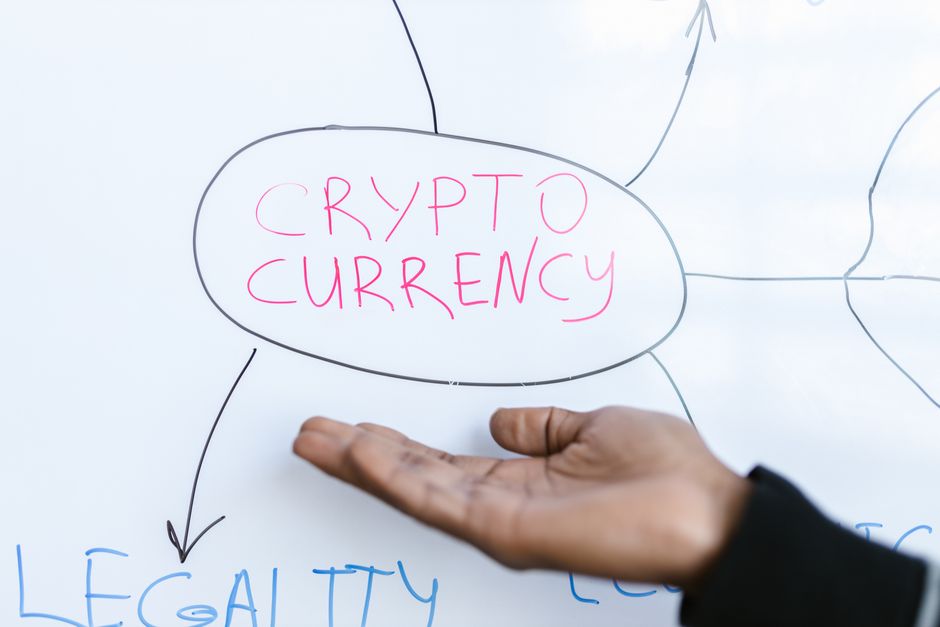
The Financial Services Commission (FSC) maintains a rigorous stance on Crypto Transfers to ensure the integrity of the domestic financial ecosystem. By mandating strict adherence to the Travel Rule—a requirement that virtual asset service providers (VASPs) collect and share sender and recipient information—the government aims to mitigate the risk of money laundering and illicit financial flows. This framework is not merely a suggestion but a cornerstone of current Regulation within the peninsula, aligning domestic practices with international standards set by the Financial Action Task Force.
Market participants must understand that these protocols are designed to create a transparent ledger of ownership. When individuals move assets between platforms, they are subject to identity verification processes that serve as a safeguard for the broader Investment community. The Bank of Korea continues to monitor these patterns, analyzing how digital asset velocity impacts national monetary stability and consumer safety.
Impact on Market Participants and Exchange Operations
The primary effect of these policies falls on the Exchanges that facilitate the movement of digital wealth. Licensed operators are now required to maintain robust databases that verify the source of funds before enabling outgoing transfers. This creates a friction-based environment intended to prevent the rapid, anonymous movement of Bitcoin or other tokens to unverified wallets or offshore jurisdictions.
| Operational Requirement | Primary Objective |
|---|---|
| Travel Rule Implementation | Identifying ultimate beneficial owners |
| KYC/AML Integration | Preventing illicit fund integration |
| Address Whitelisting | Validating non-custodial wallet ownership |
| Transaction Monitoring | Detecting irregular movement patterns |
Risk Mitigation and Consumer Protection Mandates
Consumer risks often arise when users attempt to bypass established oversight mechanisms by utilizing non-compliant platforms. The FSC emphasizes that interacting with unregistered service providers removes the protections afforded by domestic oversight, leaving users vulnerable to fraud or asset seizure. Regulatory updates in 2026 have further solidified the requirement for exchanges to provide clear warnings regarding the risks of transferring assets to external addresses that have not been pre-validated.
- Source Verification: Users must prove the legal origin of funds during large-volume transfers.
- Destination Validation: Transfers are generally restricted to whitelisted accounts or verified exchange wallets.
- Reporting Obligations: Any suspicious activity or transaction exceeding established thresholds is flagged for internal review.
- Platform Liability: Exchanges bear the responsibility for verifying the counterparty identity to prevent illegal activity.
Policy Adjustments and Ongoing Compliance Efforts
The regulatory landscape has shifted toward a proactive prevention model. Unlike earlier periods characterized by fragmented oversight, current policies demand a synchronized approach between state authorities and private sector entities. This creates a unified security perimeter where any movement of assets across the digital border is logged, analyzed, and, if necessary, halted for further investigation.
Stakeholders should remain cognizant that these rules are subject to continuous refinement. As technology for privacy-enhancing assets evolves, the government response in 2026 is expected to become even more granular. Staying informed on these developments is essential for maintaining compliant access to the digital asset market while ensuring that personal assets remain protected by the safeguards mandated by the Financial Services Commission.
자주 묻는 질문 (FAQ)
What is the primary purpose of the Travel Rule for crypto?
The Travel Rule is designed to prevent money laundering and terrorism financing by requiring exchanges to identify the senders and recipients of digital asset transactions.
Can I transfer crypto to any wallet address?
Generally, licensed exchanges restrict transfers to verified or whitelisted addresses to maintain compliance with FSC regulations and prevent illicit activity.
What should I do if my transfer is flagged by an exchange?
You should follow the internal compliance instructions provided by your exchange, which usually involve providing documentation to verify the source of funds or the ownership of the destination wallet.
How does the Bank of Korea view digital asset movement?
The Bank of Korea monitors these movements to assess potential impacts on monetary policy, national financial stability, and the overall security of the domestic payment system.
Get in Touch
Have questions about your specific situation? Reach out anytime for a personal consultation.