Pope Leo’s Legacy and Korea’s Digital Asset Regulatory Principles
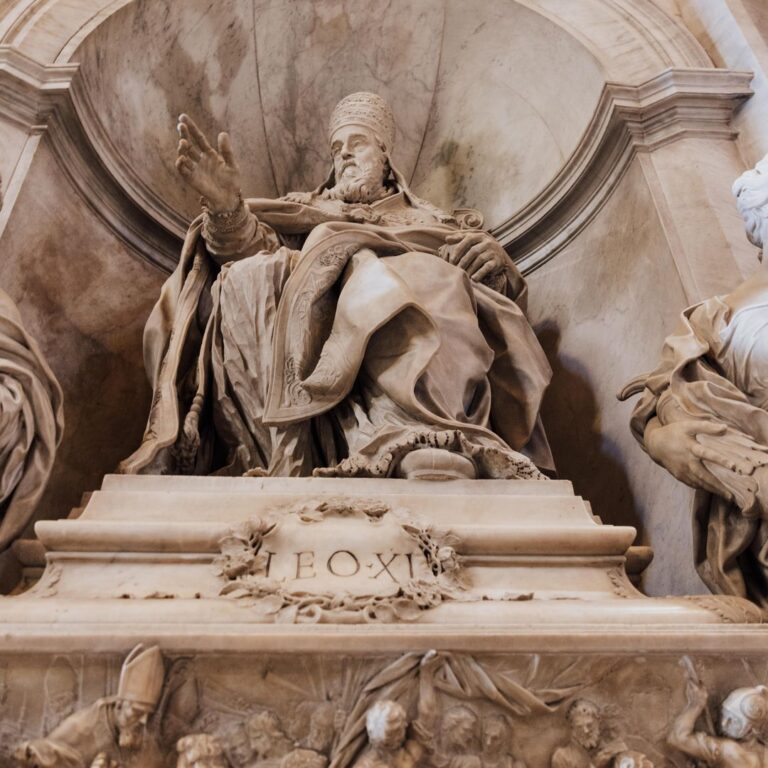
Pope Leo's Legacy and Korea's Digital Asset Regulatory Principles

The historical context surrounding Pope Leo’s encyclical “Rerum Novarum” (1891), which addressed the conditions of the working class and the rights and duties of capital and labor, offers a surprising, albeit indirect, parallel to the foundational principles Korea is applying in its digital asset regulatory framework. While explicitly addressing 19th-century industrial society, the encyclical grappled with questions of property rights, social justice, and the role of the state in protecting vulnerable populations—themes that resonate with current debates on regulating decentralized finance ( DeFi ) and digital asset markets. Korea’s approach emphasizes the protection of investors and market stability, mirroring the broader societal protection sought in historical social doctrines.


Supervisory Oversight and Operational Standards for Bitcoin Custody in South Korea

The South Korean government maintains a structured approach toward the integration of digital assets within the broader Finance sector. Financial authorities emphasize that the legal framework for Bitcoin and other virtual assets is primarily designed to ensure market transparency and prevent illicit activities. The Financial Services Commission (FSC) provides ongoing guidance to ensure that all financial institutions adhere to strict reporting standards, reflecting a deliberate shift toward institutionalized oversight.

South Korea’s Evolving Regulatory Approach to Bitcoin Trading and Custody Compliance

South Korea’s Evolving Regulatory Approach to Bitcoin Trading and Custody Compliance

South Korea maintains a structured supervisory environment for digital assets, integrating systemic risk monitoring directly into national financial governance. The Financial Services Commission oversees statutory compliance across the sector, ensuring that virtual asset service providers adhere to strict anti-money laundering protocols. Concurrently, the Bank of Korea evaluates broader financial stability implications stemming from capital flows linked to speculative trading and cross-border settlement channels.

Evolving Frameworks for Digital Asset Taxation and Financial Oversight in South Korea

Evolving Frameworks for Digital Asset Taxation and Financial Oversight in South Korea

The South Korean government continues to refine its approach to the taxation of virtual assets to ensure parity with traditional financial instruments while maintaining market stability. Comprehensive Crypto Tax Rules are being integrated into the broader domestic fiscal policy to address the increasing prevalence of digital holdings among retail and institutional investors. By aligning these requirements with existing national tax codes, the Ministry of Economy and Finance aims to establish a transparent environment that minimizes ambiguity for taxpayers.

Strengthening Korean Exchange Security Infrastructure Through Regulatory Mandates

Strengthening Korean Exchange Security Infrastructure Through Regulatory Mandates

Strengthening Korean Exchange Security Infrastructure Through Regulatory Mandates Heightened Prudential Standards for Digital Asset Custody Refining the Korean exchange security infrastructure remains a central focus for financial authorities seeking to stabilize the domestic virtual asset market. As trading volumes evolve, …

Read more