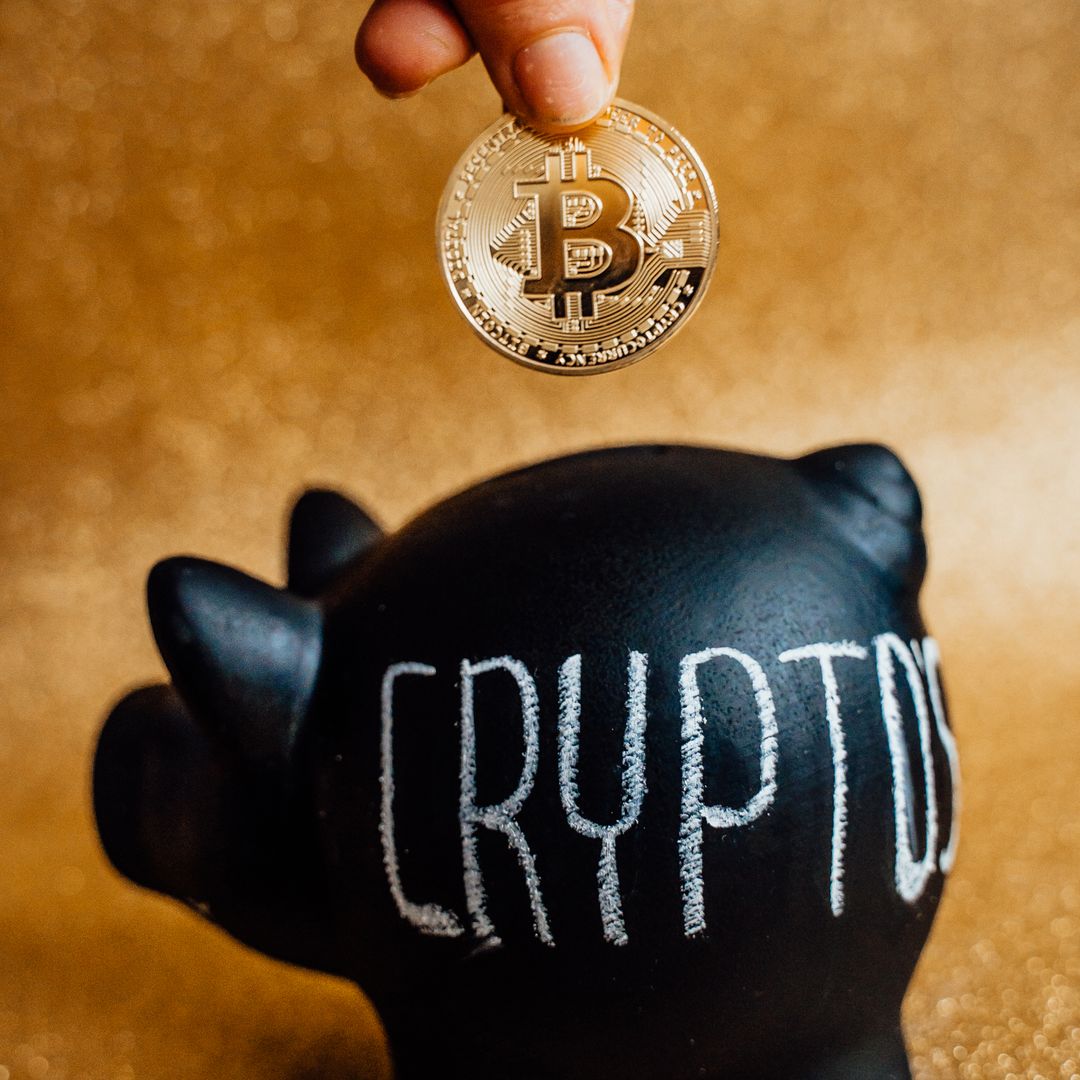

The Ministry of Economy crypto plans represent a broader transition toward formalizing digital asset integration within the national financial architecture. As government agencies move to align virtual asset management with existing fiscal frameworks, the primary focus remains on maintaining stability while fostering a controlled environment for innovation. This shift reflects a move away from peripheral oversight toward a centralized regulatory approach involving multiple state authorities.
Policy Development and Regulatory Coordination
The legislative trajectory for digital assets in 2026 is increasingly dictated by inter-agency cooperation. The Financial Services Commission (FSC) maintains primary authority over market conduct, while the Ministry of Economy evaluates the macroeconomic implications of these assets on the national balance sheet. By establishing clearer guidelines, the government seeks to mitigate systemic risks that could propagate from the digital asset sector into the traditional Finance sector. This oversight extends to how domestic firms manage their reserves and report cross-border transactions.
Impact on Market Participants
These policies directly influence both individual investors and corporate entities operating within the ecosystem. The core objective is to ensure that all participants adhere to standardized transparency requirements, which are designed to prevent illicit fund flows and market manipulation. Those who engage with digital assets are expected to follow strict reporting mandates that mirror traditional securities regulations. For a comprehensive overview of how these rules apply to your holdings, refer to our Crypto Guide.
| Regulatory Focus | Objective | Implementation Authority |
|---|---|---|
| Asset Custody | Protection of user funds | Financial Services Commission |
| Fiscal Impact | Macroeconomic stability | Ministry of Economy |
| Market Integrity | Surveillance of trading | Financial Supervisory Service |
Operational Standards for Exchanges and Access
Licensed Exchanges are currently undergoing rigorous audits to confirm their compliance with updated operational mandates. These entities must demonstrate sufficient capital reserves and robust internal controls before they are permitted to offer a full range of trading services. Access to the market remains conditional, requiring users to complete thorough identity verification processes consistent with anti-money laundering (AML) protocols enforced by the Bank of Korea.
- Reserve Requirements: Exchanges must maintain liquid assets to cover potential withdrawal surges.
- Transaction Monitoring: Real-time surveillance is required to identify irregular trading patterns or suspicious spikes in volume.
- Data Security: Mandated encryption and cold storage protocols for the majority of client assets.
Addressing Consumer Risks and DeFi Integration
Risk management remains the cornerstone of the government’s current stance on emerging technologies. Authorities remain cautious regarding decentralized financial protocols, known as DeFi, due to the inherent difficulty in enforcing accountability within non-custodial environments. The government approach emphasizes that consumer protection cannot be compromised by the anonymous nature of automated protocols. Consequently, entities providing these services within the domestic jurisdiction are expected to align with statutory liability standards.
Historical Context and Policy Evolution
The evolution of these policies in 2026 marks a departure from the reactive stance of previous years toward a proactive, evidence-based framework. The Bank of Korea continues to conduct research into the implications of digital assets on monetary policy, specifically observing how stablecoin usage might impact the velocity of the won. Future adjustments to the Ministry of Economy crypto plans will likely depend on the effectiveness of existing surveillance measures and the global harmonization of digital asset standards.
자주 묻는 질문 (FAQ)
How does the Ministry of Economy influence crypto policy?
The Ministry focuses on the macroeconomic impact, fiscal stability, and the integration of digital assets into the national financial framework, working alongside the FSC.
Are DeFi platforms currently regulated in Korea?
Authorities are actively assessing how to apply existing financial laws to decentralized finance, prioritizing consumer protection and accountability.
What is the role of the Bank of Korea in this space?
The Bank of Korea monitors how digital assets affect monetary policy, the national payment system, and the stability of the won.
What should investors expect from licensed exchanges?
Investors should expect stricter identity verification, mandatory cold storage for assets, and transparent reporting of transaction data.
Get in Touch
Have questions about your specific situation? Reach out anytime for a personal consultation.