Institutional Integration in the Domestic Digital Asset Market
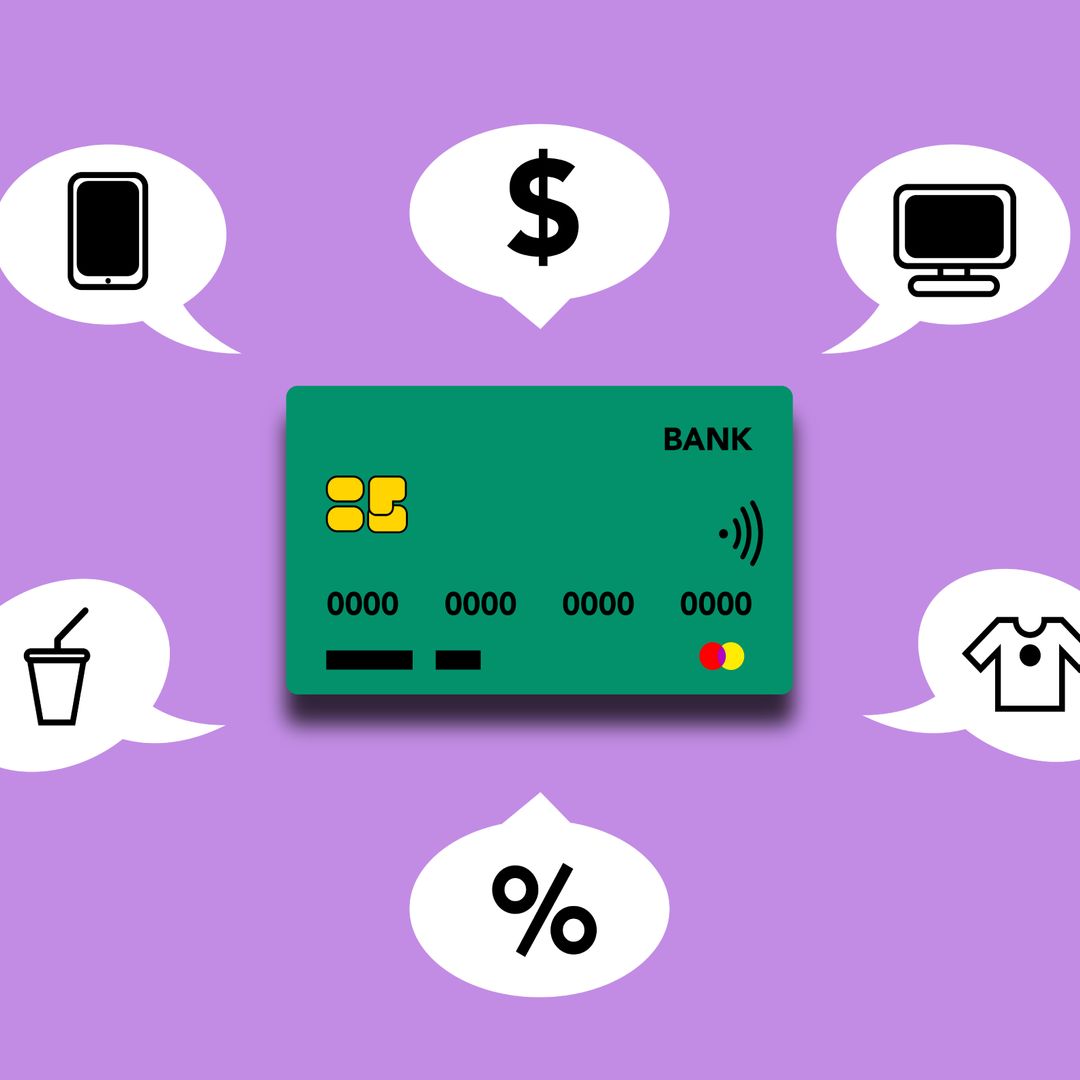
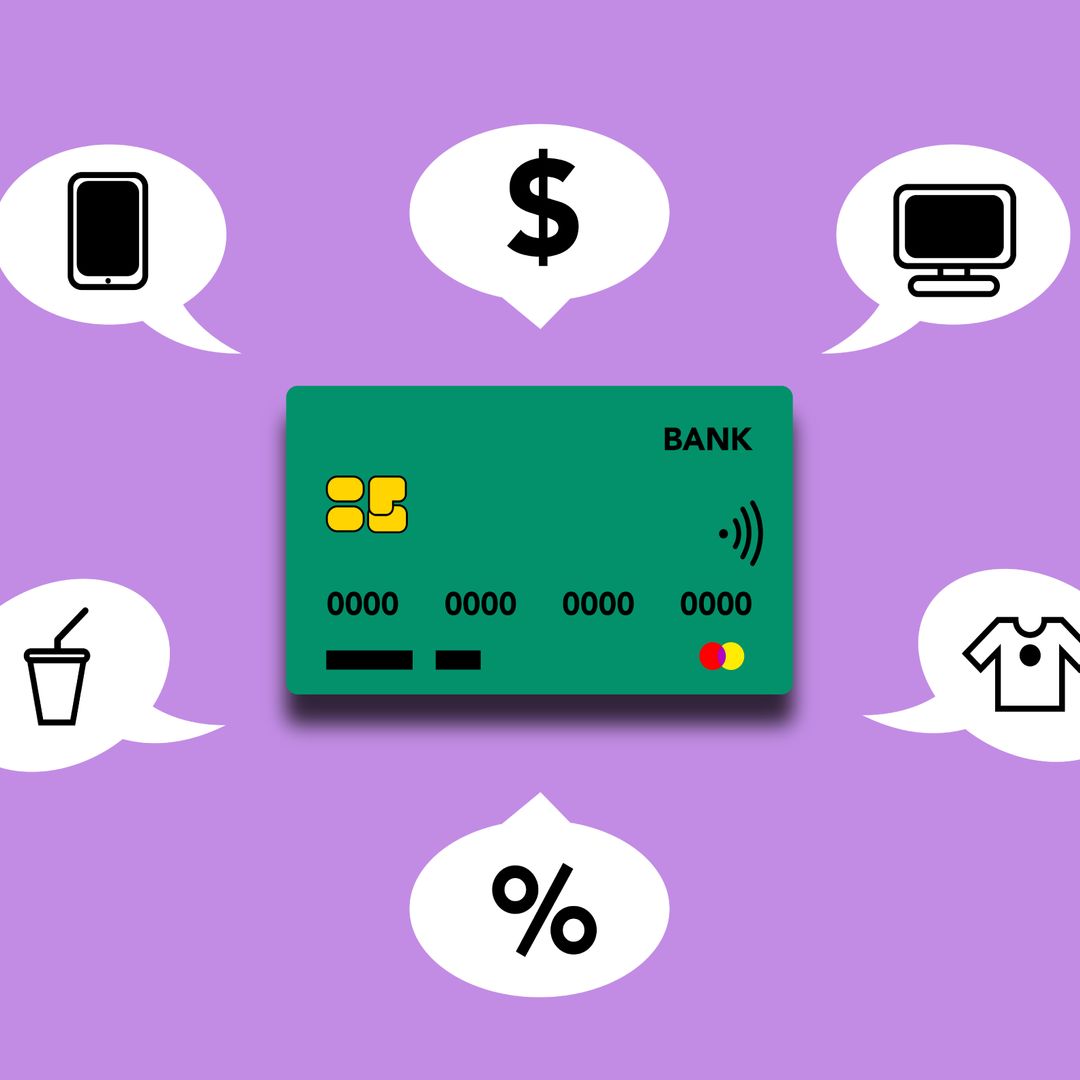
Jeonbuk Bank launches a strategic entry into the digital asset ecosystem by formalizing banking services for virtual asset service providers (VASPs). This shift reflects the broader institutional effort to bring crypto-trading activities under the traditional oversight of the domestic financial sector. By facilitating the essential connection between fiat currency accounts and exchange platforms, the bank aims to standardize the entry point for users while adhering to rigorous Regulation protocols established by national authorities.
The move is part of a larger trend where regional financial institutions participate in the broader Crypto Guide frameworks currently being solidified. By providing real-name verification accounts, the bank assists in reducing the anonymity that previously complicated the tracking of Bitcoin and other digital asset transactions. This integration is managed with careful attention to the operational stability of the domestic financial system, ensuring that digital asset liquidity does not bypass established monetary safeguards.
Regulatory Oversight and Market Participation
The Financial Services Commission (FSC) maintains a strict stance on the integration of banking services with digital asset exchanges. Institutions that opt to provide these services must satisfy stringent anti-money laundering (AML) and know-your-customer (KYC) requirements to maintain their status as compliant partners. The Bank of Korea continues to monitor these developments to assess the potential impact on the national payment system and broader economic stability.
- Compliance Standards: Institutions must enforce strict identity verification to mitigate illicit financial flows.
- Operational Risk: Banks are required to conduct regular audits of partner exchanges to ensure technical robustness.
- Reporting Obligations: All account activities linked to digital asset platforms are subject to standardized oversight protocols.
- Tax Implications: Users must remain cognizant of the evolving Tax landscape regarding capital gains from digital asset trading.
Risk Management and Consumer Protection
The introduction of banking services for digital assets does not imply a reduction in the inherent risks associated with such investments. Consumers should understand that the bank acts as an intermediary for fiat deposits and withdrawals, not as a guarantor of the underlying digital assets themselves. This distinction is critical for investors who must account for the volatility of the crypto market when managing their portfolios.
| Factor | Regulatory Responsibility | Investor Responsibility |
|---|---|---|
| Account Verification | Enforcing KYC standards | Providing accurate identity documentation |
| Transaction Monitoring | Detecting suspicious patterns | Reporting taxable events to authorities |
| Market Exposure | Managing systemic financial risk | Assessing personal risk tolerance |
Institutional Strategy and Future Oversight
The entry of regional players like Jeonbuk Bank serves as an indicator of the maturity of the digital asset market in 2026. As the financial sector deepens its involvement, the focus remains on creating a secure, transparent, and accountable environment for all participants. The government is expected to continue refining these requirements, ensuring that the intersection of traditional banking and digital assets remains anchored in high compliance standards rather than speculative growth.
Ongoing developments suggest that the regulatory framework will likely become more granular, addressing specific risks associated with cross-platform asset movement and custodial responsibilities. Participants are encouraged to stay informed through official government disclosures, as the regulatory environment in the domestic market is characterized by consistent updates to policy and supervision.
자주 묻는 질문 (FAQ)
What does the new banking integration mean for individual crypto traders?
It provides a more stable and regulated channel for fiat-to-crypto transactions, requiring users to complete strict identity verification as mandated by financial regulators.
Does the involvement of a bank make digital asset investments safer?
The involvement increases the transparency and security of fiat transactions, but it does not remove the market volatility or the investment risks inherent in digital assets themselves.
Are there specific tax obligations for users of these banking services?
Yes, all users are responsible for complying with current tax laws regarding digital asset gains, which are monitored by financial authorities as part of broader reporting requirements.
How does this change the oversight of crypto exchanges?
Exchanges partnering with domestic banks must undergo more rigorous audits and operational checks, ensuring they meet the high standards set by the Financial Services Commission.
Get in Touch
Have questions about your specific situation? Reach out anytime for a personal consultation.